If your ideal Colorado lifestyle includes a morning trail run, an easy bike ride after work, and quick access to bigger weekend adventures, Littleton deserves a close look. For many buyers, the challenge is finding a place where outdoor access feels practical every day, not just occasional. Littleton stands out because parks, trails, river corridors, and a walkable historic core all work together to support that rhythm. Let’s dive in.
Outdoor Access Feels Built In
Littleton appeals to outdoor lovers because recreation is not tucked away on the edges of town. According to the City of Littleton’s parks and trails information, the city offers more than 1,400 acres of parks and open space, more than 200 miles of trails, and more than 59 parks and open spaces. That kind of reach gives you options for both quick outings and longer adventures.
The same city resource also highlights two light rail stations and regional access that can put you within about 30 minutes of the Rockies. In practical terms, that means your weekday routine can stay connected to nature while your weekends can expand into the broader Front Range. For many buyers, that balance is a big part of Littleton’s draw.
South Platte Park Anchors the Lifestyle
One of the clearest examples of Littleton’s outdoor identity is South Platte Park. South Suburban Parks and Recreation describes it as an 880-acre natural oasis along the South Platte River and Mary Carter Greenway Trail. It includes five fishing lakes, natural-surface hiking trails, paved trail connections, river access, wildlife viewing, and kayak opportunities.
That matters because it makes nature feel close to home. Instead of driving far to unplug, you can find open space woven into daily life. For buyers who want outdoor activity to be part of their normal routine, that kind of access can shape how a place feels year-round.
Trail Connections Reach Beyond Town
Littleton also benefits from strong regional trail connections. Denver Water’s High Line Canal overview notes that the canal runs 71 miles from the South Platte River near Waterton Canyon through Douglas, Arapahoe, and Denver counties, and the trail is accessible along most of its length. That gives Littleton residents a connection to a much larger network, not just a handful of local paths.
This wider connectivity adds flexibility to your lifestyle. You might take a shorter neighborhood ride one day and plan a longer route another. For active buyers, that kind of variety often makes it easier to keep outdoor habits going consistently.
Waterton Canyon Adds Adventure Nearby
For a more rugged outing, Waterton Canyon is one of the standout recreation corridors near Littleton. Denver Water says the canyon offers a 6.2-mile hike to the dam, and road bikes are suitable for the first 6.2 miles. The Colorado Trail continues beyond the reservoir, giving the area an added sense of scale and possibility.
The canyon is also known for wildlife, including bighorn sheep. If you are planning a visit, one useful detail is that dogs and other domesticated pets are not allowed in the canyon to help protect the sheep population. That is the kind of practical information buyers often want when thinking about how they will actually use nearby outdoor spaces.
State Parks Expand Weekend Options
Littleton’s appeal grows even stronger when you look at the nearby state parks. Colorado Parks and Wildlife’s Chatfield State Park page lists Chatfield as a state park in Littleton spanning 5,381 acres with 32.8 miles of trails. It sits along the South Platte River where it flows out of the mountains onto the prairie at the mouth of Waterton Canyon.
That setting helps explain why Littleton often feels like a gateway location. You are still connected to metro conveniences, but you are also close to one of the region’s major outdoor destinations. For many buyers, that blend can be hard to find.
Another strong option nearby is Roxborough State Park. Colorado Parks and Wildlife says the park covers about 3,413 acres and is known for dramatic red rock formations, varied plant communities, and wildlife. It is also recognized as a National Natural Landmark, a Colorado Natural Area, a National Cultural District, and a Leave No Trace Gold Standard Designated Site.
Together, these destinations support several different outdoor routines. You can keep things simple with an in-town walk, plan a half-day canyon outing, or spend a weekend exploring a larger natural area. That range is a major reason Littleton resonates with Colorado outdoor lovers.
Downtown Keeps Life Connected
Outdoor access is only part of the story. Littleton’s historic downtown adds a sense of place that makes the city feel lived in, not just well located. The City of Littleton’s historic district information says the Downtown Littleton Historic District includes Main Street, Alamo Avenue, and the streets in between, and that historic districts help preserve character, support economic vibrancy, and encourage enjoyment of historic properties.
The city also notes that Town Hall stands in the middle of Littleton’s four-block Main Street and serves as the focal point of downtown. That detail says a lot about the area’s scale. It feels compact, recognizable, and easy to experience on foot.
The Littleton Downtown Development Authority reinforces that image through its focus on locally owned shops, patios, events, pedestrian safety, wayfinding, green infrastructure, and wider sidewalks. For buyers, this matters because it shows Littleton is not only about getting outside. It is also about having a downtown that supports wandering, meeting up, and enjoying the day between outdoor activities.
Culture Adds More Depth
Littleton’s outdoor appeal is stronger because it is paired with local history and community programming. The Littleton Museum sits on 40 acres and includes two 19th-century living-history farm sites, galleries, a research center, and a permanent history exhibit covering Littleton from the 1860s to the present. That gives the city another layer beyond trails and parks.
For many buyers, lifestyle is about more than scenery. It is also about whether a place feels rooted and interesting over time. Littleton’s mix of open space, downtown character, and cultural amenities helps create that balance.
Housing Options Support Different Routines
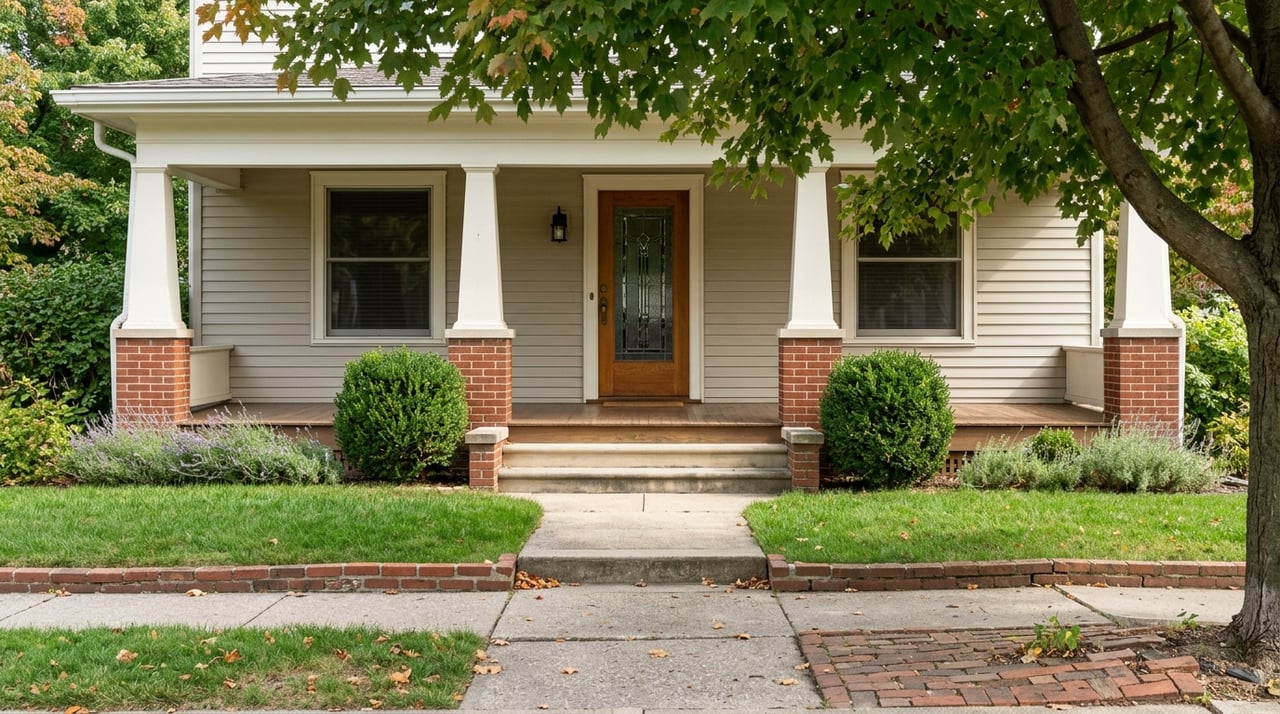
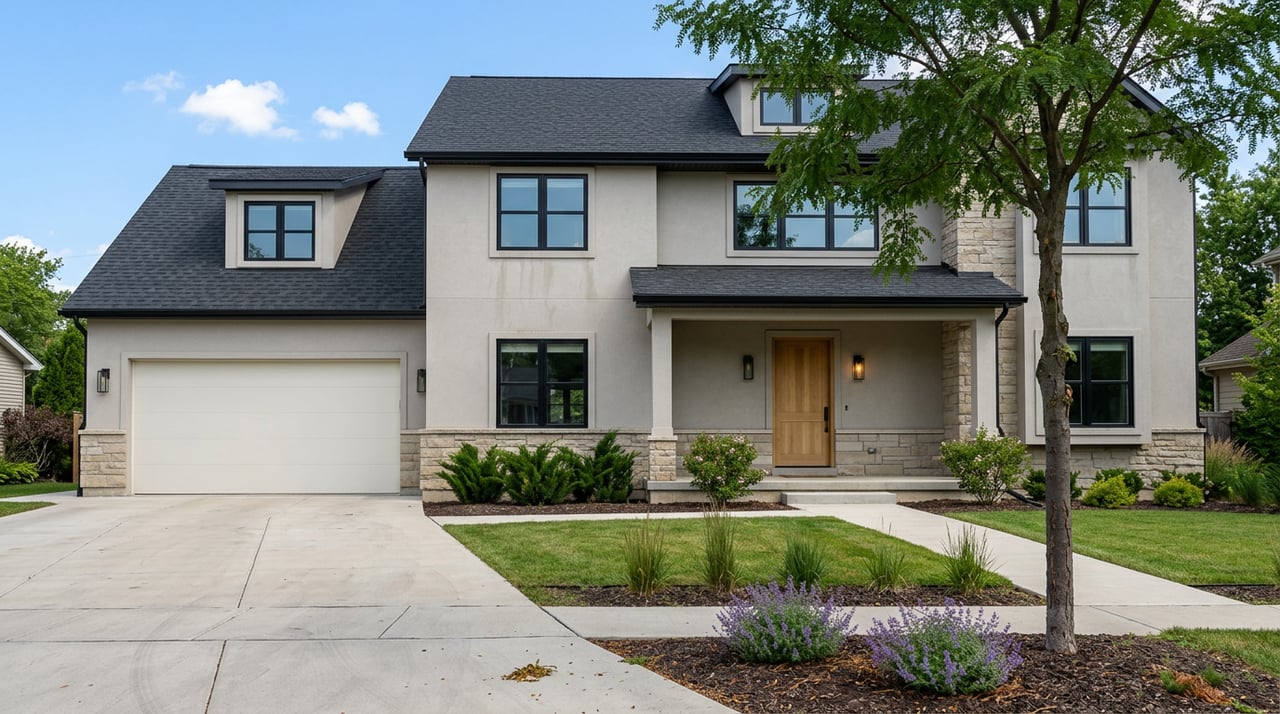
If you are considering a move, housing choice is part of the equation. Littleton’s comprehensive plan describes mixed-character core neighborhoods near downtown and Littleton Boulevard as especially conducive to walking, biking, and wheelchair access to shopping, parks, and other destinations. The plan also identifies a mix of detached homes, attached homes, and residential mix areas, including areas near downtown and the railroad corridor.
That broader mix gives buyers more than one way to live in Littleton. Some may prioritize proximity to downtown and trail connections, while others may want a more traditional residential setting with easy access to open space by car or bike. The city’s planning framework suggests that both patterns exist.
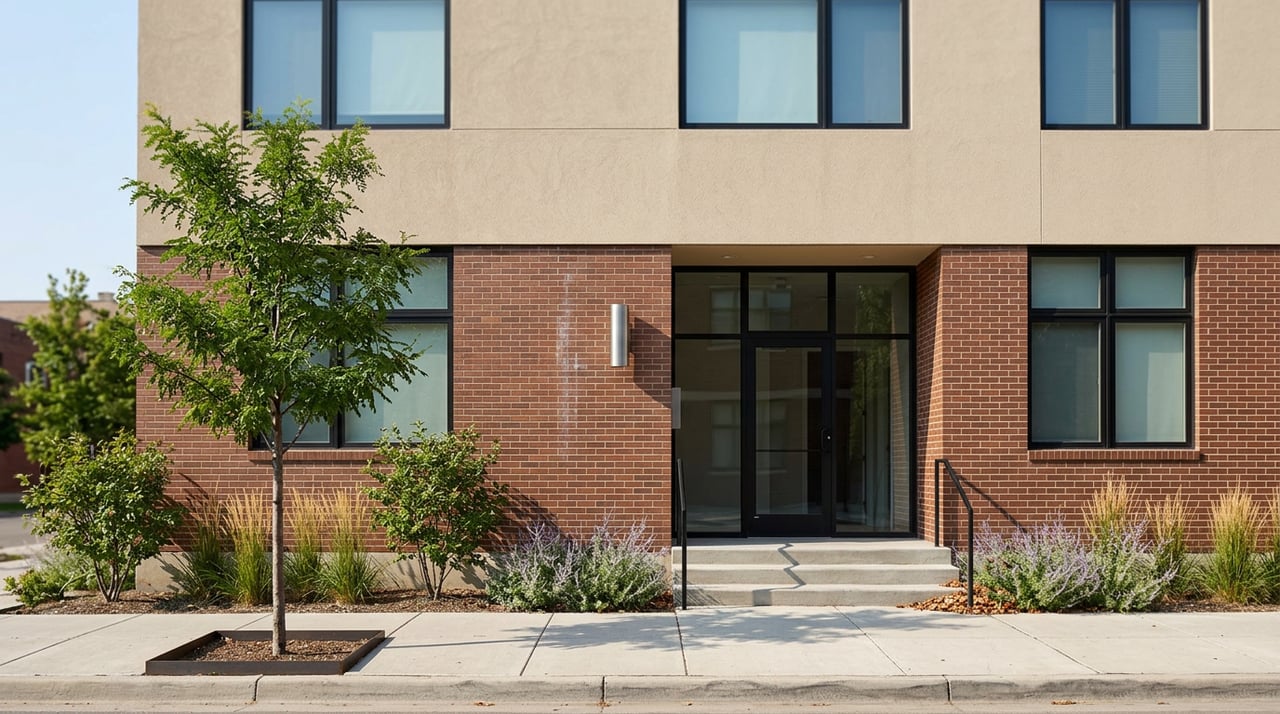
Littleton is also studying additional housing diversity through its Neighborhood Housing Opportunities and Unified Land Use Code work. The city identifies options like duplexes, triplexes, accessory dwelling units, cottage courts, and multiplexes as examples of missing-middle housing. For buyers, that points to a community thinking carefully about how different housing types can meet different lifestyle needs.
The City Is Still Investing Outdoors
Another reason Littleton stands out is that its outdoor identity is not static. Through Root & Renew, the city is updating its vision for parks, open space, and trails. The project was launched to address changing population needs and a growing desire for outdoor adventure and alternative sports.
That kind of long-range investment matters when you are evaluating a place to live. It suggests that parks and trails are not just nice extras. They are a core part of how Littleton is planning for the future.
Why Buyers Keep Looking at Littleton
When you pull all of this together, Littleton offers something many Colorado buyers want but do not always find in one place. You get meaningful in-town outdoor access, strong regional trail connections, quick reach to major recreation areas, and a historic downtown that adds daily convenience and community character.
If you are comparing Denver-area locations, Littleton is worth attention because the outdoor lifestyle here feels usable. It is not only about a big Saturday hike. It is about how parks, trails, downtown streets, and nearby state parks can shape the way you live all week.
If you want help thinking through how Littleton fits your goals, Katie Knop can help you compare neighborhoods, housing options, and lifestyle tradeoffs across the Denver metro with a clear, practical approach.
FAQs
How much outdoor space does Littleton offer?
- According to the City of Littleton, the city has more than 1,400 acres of parks and open space, more than 200 miles of trails, and more than 59 parks and open spaces.
What outdoor destinations are near Littleton for regular use?
- Popular nearby options include South Platte Park, the High Line Canal, Waterton Canyon, Chatfield State Park, and Roxborough State Park.
What makes Littleton appealing for everyday outdoor living?
- Littleton combines in-town trails and parks with regional connections, so you can fit outdoor activity into daily life instead of saving it only for weekends.
What should you know before visiting Waterton Canyon near Littleton?
- Denver Water says dogs and other domesticated pets are not allowed in Waterton Canyon to help protect bighorn sheep, and closures can happen for maintenance.
What kinds of homes support an outdoor lifestyle in Littleton?
- City planning documents point to a mix of detached homes, attached homes, residential mix areas, and future housing diversity efforts near walkable and trail-connected parts of the community.