Is a Highlands condo the right investment for you? If you love walkable streets, skyline views, and steady rental demand near downtown Denver, 80211 checks a lot of boxes. The numbers can be tight, though, so you want clear expectations on prices, rents, rules, and how to underwrite a unit the right way. This guide gives you the local context, a simple pro forma, and a due diligence checklist so you can buy with confidence. Let’s dive in.
Why renters choose Highlands 80211
Highlands delivers the lifestyle many renters want: great restaurants, coffee, and nightlife with quick access to downtown. Neighborhood guides highlight Lower Highland, Highlands Square, and nearby green spaces that support long-term appeal and strong identity. You can explore the neighborhood overview to see how these pockets connect and what draws residents year-round on the official Highlands guide from Denver’s visitor bureau.
Walkability is a major driver. Central blocks in Highland and LoHi reach high Walk Score ratings, and the Highland pedestrian bridge links directly to downtown. That daily convenience is a practical advantage for leasing and resale. You can see the area’s walkability snapshot on Walk Score’s map for the Highland coordinates.
What “Highlands condo” usually means
Inventory spans character properties and newer infill, rather than high-rise towers. When you tour, you will often see:
- Converted brick walk-ups and lofts with period details.
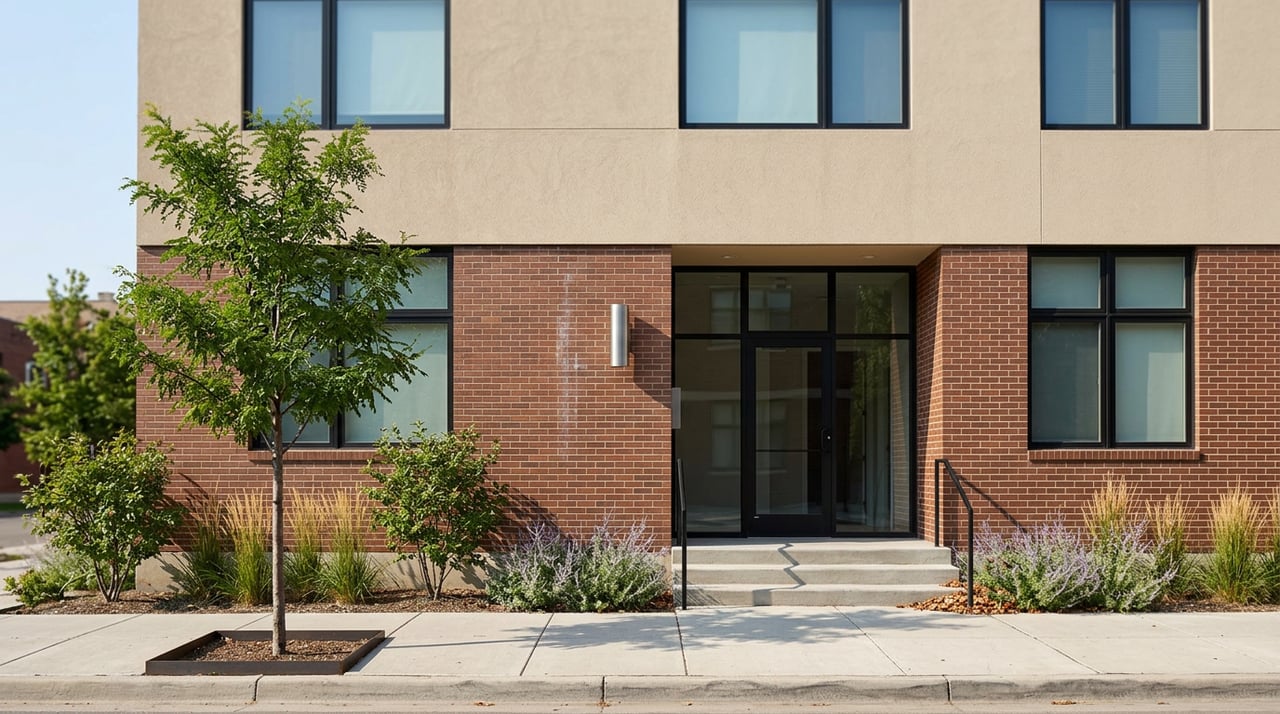
- Low- to mid-rise condo buildings close to dining corridors.
- Attached and rooftop-deck townhome communities that live like condos.
A concise neighborhood product snapshot shows this mix, with LoHi leaning newer and West Highland skewing more historic conversions. For a quick visual of common building types, review this Highland market-intelligence summary.
Prices, rents, and today’s market context
- Prices: Recent neighborhood medians in 80211 generally sit in the mid 600s to high 700s depending on sub-area and building type. Newer mid-rise product and units with parking or views often command a premium.
- Rents: Asking rents for 1–2 bedroom units often fall around 1,800 to 2,400 per month, with building quality and micro-location driving the spread. Always underwrite with live comps from the same building or immediate block.
- Market backdrop: Denver added a large number of apartments in recent years, which pushed vacancy higher and softened rents across many urban submarkets in 2024 and 2025. Industry reporting highlights elevated vacancy and rent concessions, with Highlands often outperforming the CBD but still feeling metro-wide supply pressure. For a current read on vacancy and concessions, see this Denver multifamily market insight.
Quick pro forma snapshot
Use this simple example to frame expectations before you write an offer. Inputs below reflect neighborhood-level benchmarks from recent reports. Swap in your exact building’s comps and dues.
- Example purchase price: about 684,000.
- Example market rent: about 2,100 per month.
- HOA dues: many Denver condos fall roughly 200 to 600 plus per month depending on amenities.
- Property management: 8 to 12 percent of collected rent if using a full-service manager.
- Vacancy: model high single digits in the current cycle given new supply.
- Property taxes, insurance, and routine maintenance: confirm with the latest tax bill and the building’s insurance structure.
Illustrative math on the above produces a modest net operating income and an implied unlevered cap rate near the low single digits. That aligns with broader patterns where institutional Denver apartments have traded around the mid 5 percent cap-rate band in recent commentary, while single-unit urban condos often underwrite to lower going-in yields due to high purchase prices and typical HOA costs. For context on cap rates and yields, review this 2024 Denver multifamily report.
Lending and HOA factors that shape returns
Condo lending looks at the building as much as your finances. Lenders and the GSEs evaluate owner-occupancy ratios, reserves, insurance, litigation, and commercial space share. If a project is deemed non-warrantable, you may face higher rates, larger down payments, or limited lender options. Learn the basics of project eligibility in this overview of condo warrantability and lending rules.
If you plan to sell to FHA or VA buyers later, check the project’s status early. FHA keeps a roster of approved condo communities and applies rules around delinquencies, reserves, insurance, and litigation. You can read more about FHA approval for condos.
Colorado’s Common Interest Ownership Act sets disclosure and governance standards for HOAs. As a buyer, you have the right to review budgets, reserve studies, financials, rules, and records before you commit. Those documents help you size risk from underfunded reserves or potential special assessments. See the statute reference for Colorado’s CCIOA.
Short-term rentals in Denver: know the rules
If your strategy relies on short-term rentals, check the law first. Denver requires a short-term rental license and limits STRs to your primary residence. Many HOAs also prohibit STRs outright. The city details eligibility, safety, and licensing on its short-term rental rules page.
Denver also imposes a lodger’s tax on stays under 30 days, which affects your net revenue if you qualify to host. You can review the city’s business tax guidance, including lodger’s tax, on the Treasury’s information page.
Due diligence checklist for 80211 condos
Before you underwrite or submit an offer, request and review these items:
- HOA documents and financials. Ask for CC&Rs, bylaws, rules, current budget, reserve study, recent financials, and meeting minutes. Use these to assess reserves, upcoming projects, and any history of special assessments. Reference: Colorado’s CCIOA.
- Project eligibility with your lender. Have your lender run the condo questionnaire early to flag any warrantability issues. See background on warrantability and lender rules.
- Rental policy and STR restrictions. Confirm minimum lease lengths, any caps on the percentage of rented units, and explicit STR prohibitions. City rules are here: Denver short-term rental requirements.
- Insurance structure. Obtain the building’s master policy declarations and deductible levels. Clarify where the master policy ends and your HO-6 begins.
- Building condition and inspections. Beyond the unit inspection, ask about roof, exterior envelope, elevators, parking structures, plumbing and drainage. In Denver, many buyers also include a sewer scope and a radon test as added diligence.
- Taxes and operating costs. Pull the latest property-tax bill and use it for your pro forma. Confirm HOA dues, any pending assessments, realistic vacancy assumptions, and property-management fees if you will not self-manage.
Exit strategy and resale positioning
If your exit relies on an owner-occupant buyer, pay attention to features that broaden appeal, such as parking, functional layouts, private outdoor space, and pet-friendly rules. FHA and VA eligibility can also expand your buyer pool in certain price bands. For a refresher on program approval, revisit FHA’s condo approval basics.
Is a Highlands condo right for you?
If you want near-term cash flow from a single urban condo, 80211 can be a challenge unless you secure a below-market price, low dues, and a clear rent premium. Many buyers choose Highlands condos for appreciation potential, lifestyle utility, or an owner-occupant plan with future long-term rental upside. The key is to match the micro-location and building to your goals, then underwrite with conservative, current assumptions.
Ready to build a smart, local plan for a Highlands condo purchase? Connect with Katie Knop for a numbers-forward consult and a curated list of units that fit your strategy.
FAQs
What are typical purchase prices for Highlands condos in 80211?
- Recent neighborhood medians often land in the mid 600s to high 700s depending on the sub-area, building age, finishes, parking, and views.
How much rent can I expect for a 1 or 2 bedroom in 80211?
- Many 1–2 bedroom units lease around 1,800 to 2,400 per month, with quality, amenities, and proximity to LoHi hotspots affecting the rate.
Are short-term rentals allowed if I do not live in the condo?
- No. Denver restricts STR licenses to your primary residence and requires city licensing and compliance. See the city’s STR rules.
How do HOA dues affect returns on Highlands condos?
- Dues often range a few hundred dollars per month and can materially reduce cash flow. Review budgets, reserve studies, and rules under Colorado’s CCIOA to gauge risk of special assessments.
What is condo warrantability and why does it matter in 80211?
- Warrantability reflects whether a project meets GSE standards for financing. Non-warrantable buildings can limit buyer pools and raise borrowing costs. Learn more in this warrantability overview.
What cap rates are common for Denver condos compared with apartments?
- Recent commentary shows institutional Denver apartments around the mid 5 percent cap-rate band, while single urban condos often underwrite to lower going-in yields due to pricing and HOA costs. See this 2024 Denver multifamily report.
Should I test for radon when buying a condo in Denver?
- Yes, radon testing is commonly recommended in Colorado as part of due diligence, alongside standard unit and building inspections.
What vacancy rate should I underwrite for 2025 in 80211?
- Given metro-wide new supply, many investors model vacancy in the high single digits for the near term. Review Denver-wide context in this multifamily market insight.