Ready to trade up to more space, privacy, and everyday ease in Greenwood Village? If you are eyeing a larger lot, a custom home, or a lock‑and‑leave condo near the Denver Tech Center, this guide gives you the local context to move with confidence. You will learn what your money buys, how commutes really work, what to know about HOAs and special districts, and a step‑by‑step plan to buy your next home without unnecessary stress. Let’s dive in.
Greenwood Village at a glance
Greenwood Village is known for upper‑end homes, generous lots in select pockets, and a strong mix of custom properties. You will find a contrast between estate areas and higher‑density living near the Denver Tech Center. The city’s planning documents highlight the difference between low‑density neighborhoods like Greenwood Hills and the DTC/Greenwood Plaza area with condos and townhomes close to offices and services. You can review that neighborhood framework in the city’s Comprehensive Plan.
Because luxury and estate sales can swing averages, market stats here often move more than in larger suburbs. Treat headlines as general guides and rely on recent, neighborhood‑level comps when you are ready to write an offer. A seasoned local agent will help you interpret those nuances before you set your budget and terms.
What your money buys
Many single‑family homes in Greenwood Village trade well above the metro median, with pricing spanning mid six to low seven figures across neighborhoods and lot sizes. Price per square foot varies widely by location, age, and finish level. Move‑up buyers often choose between larger custom homes on bigger lots or renovated homes close to the DTC for convenience.
Estate areas: Greenwood Hills
If you want space and privacy, focus on Greenwood Hills and similar low‑density pockets. The city identifies Greenwood Hills as an area with lots “just below one acre up to 2.5 acres,” which supports a more private, semi‑rural feel inside a suburban setting. You can confirm neighborhood context in the Comprehensive Plan.
Zoning is a key reason lot sizes vary. For example, the R‑1.0 district requires a minimum one‑acre lot. Not all neighborhoods are zoned this way, so check the specific parcel before you assume room for an addition or accessory structure. You can look up minimums in the city’s Land Development Code.
DTC and Greenwood Plaza options
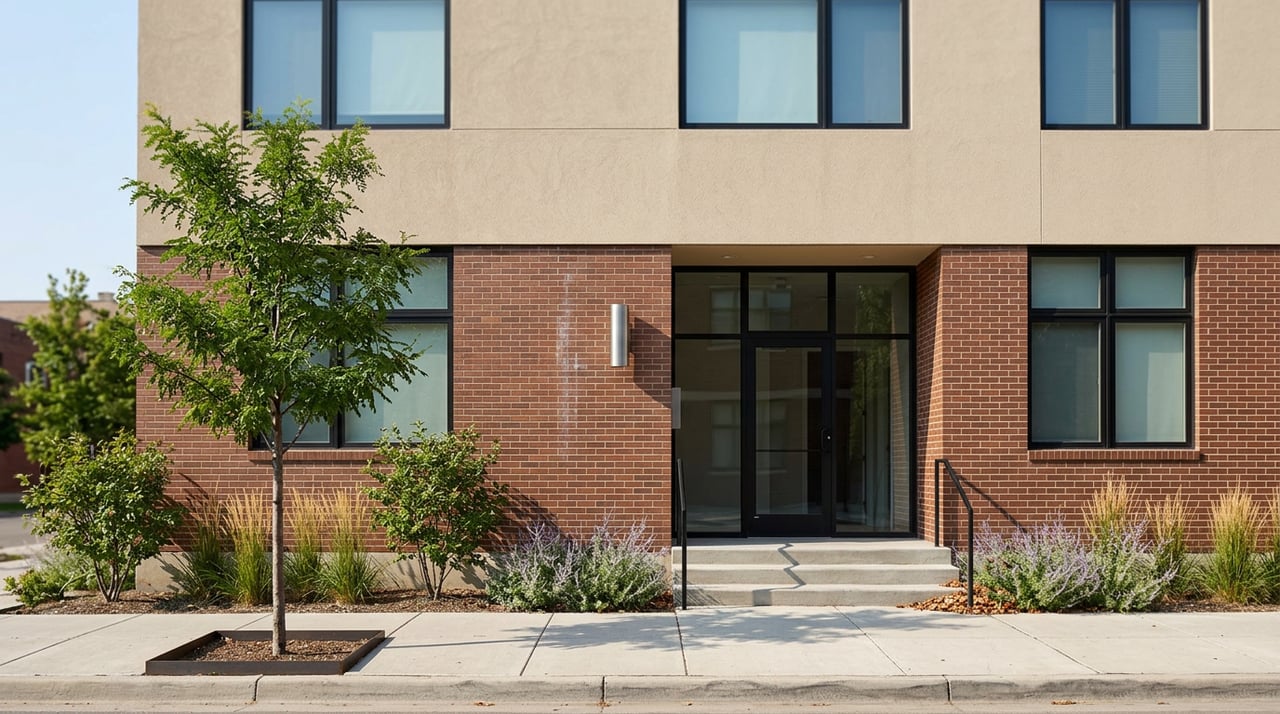
If you prioritize commuting ease and amenities, you will find townhomes, mid‑rise condos, and smaller‑lot single‑family homes near the Denver Tech Center. Many condo buildings offer premium common areas and services, often with higher monthly dues. This setup fits buyers who value a shorter drive, simpler maintenance, or quick light‑rail access over private yard size.
Commutes and transit
Greenwood Village sits along the I‑25 spine with Arapahoe Road and Belleview Avenue as major east‑west routes. C‑470, E‑470, and I‑225 provide regional access. Proximity to I‑25 or a clean approach to Arapahoe or Belleview tends to matter because peak‑hour congestion is common. You can see how local leadership frames these corridors in the city’s Mayor’s Message.
Light rail serves Greenwood Village at Orchard Station and Arapahoe at Village Center. Trips to downtown typically run about 35 to 45 minutes depending on the line and transfer, which makes rail a practical alternative when I‑25 slows down. Check schedules and station details at Orchard Station.
Here is the tradeoff in plain terms:
- Want acreage and privacy? Expect a short drive for errands, dining, and the train.
- Want a faster commute and walkable conveniences? Focus near DTC and accept smaller yards or condo living.
HOAs, special districts, and taxes
Many Greenwood Village properties are part of a homeowners association, especially condos and townhomes. Colorado’s Common Interest Ownership Act (CCIOA) sets owner rights, disclosures, and records standards. Before you commit, request and review the association’s governing documents, rules, and financials. You can read the state statute for context in the CCIOA text.
Typical HOA review package items to request:
- Current CC&Rs, bylaws, architectural rules, and any rental restrictions. See CCIOA requirements in the statute.
- Budget, reserve study, and recent financials to spot underfunded reserves or recurring special assessments.
- Any pending litigation or insurance exclusions.
- Resale or estoppel certificate that confirms owner standing and unpaid charges, plus timing and fees for delivery.
HOA dues vary widely across Greenwood Village. You may see modest single‑family community dues in some areas and much higher dues for full‑service condo buildings with concierge‑level amenities. Always compare what is included, from utilities to on‑site staff.
Special or metropolitan districts can add separate taxes to your annual carrying costs. Some projects in and around Greenwood Village use district financing for infrastructure and services. Those line items appear on the tax bill and in district disclosures. For example, the Goldsmith Metropolitan District budget shows how debt service and operations are funded. Confirm the district status for any parcel you are considering.
On property taxes, Greenwood Village notes that the city’s mill levy is a relatively small portion of most bills, with schools, county, fire, and special districts making up most of the total. Review the city explanation on Property Taxes and verify the full amount for a specific home with the Arapahoe County assessor before you finalize your budget.
Neighborhood and lot size quick guide
- Greenwood Hills and similar pockets: larger lots, mature trees, and custom homes. Verify zoning if you plan to add on.
- Mid‑century areas: established neighborhoods with a variety of single‑family homes and traditional suburban lots.
- DTC/Greenwood Plaza: townhomes and condos close to offices, services, and transit, often with higher‑service HOAs.
Use the Comprehensive Plan to align what you want with where it exists.
How pricing compares nearby
As a rule of thumb, Greenwood Village usually prices above Centennial and Parker and often above Lone Tree, while overlapping the lower end of Cherry Hills Village’s range. Exact values differ by neighborhood, lot size, age, and finish level. Because a few luxury or estate sales can move the averages, lean on current, hyper‑local comps when you set your ceiling and your offer strategy.
Move‑up buyer roadmap
Buying your next home often means coordinating two transactions. Here is a proven plan you can follow.
Step 0: Money and team
- Get a lender pre‑approval that reflects your path: buy before you sell, sell first, or make a contingent offer.
- If you plan to buy first, ask about bridge options or a HELOC and the reserves you will need.
- Choose an agent who regularly coordinates buy‑sell timelines in Denver South and Greenwood Village, plus a title company comfortable with tight closings.
For a quick overview of the common approaches, see this guidance on buying and selling at the same time.
Step 1: Pick your strategy
- Sell first, then buy: lowest carrying risk and often better negotiating power, but you may need temporary housing.
- Buy first with bridge funding: strongest offer with no sale contingency, but higher carrying costs and tighter underwriting.
- Contingent offer with aligned escrows: can work when inventory is higher. Requires clear timelines and good communication.
Step 2: Timing windows to expect
- Inspection: many contracts target roughly 7 to 10 days, depending on how your agent writes terms and vendor availability.
- Financing and appraisal: often 21 to 30 days depending on lender and buyer needs.
- When you align two escrows, add buffer time for underwriting, appraisal, HOA resale delivery, and title coordination. You can reference typical timelines in the same NerdWallet overview.
Step 3: Strengthen a contingent offer
If you use a sale contingency, make it as strong as possible:
- List your current home early and aim to be under contract before you write your purchase offer.
- Offer a larger earnest money deposit held by a trusted title company.
- Agree to a kick‑out provision that gives you 48 to 72 hours to remove your contingency if the seller receives a non‑contingent offer.
- Offer a short rent‑back to the seller if they need flexibility after closing.
You can see additional tactics in this practical guide to coordinating a buy and sell.
Step 4: Greenwood Village due diligence
Use this checklist to protect your investment and avoid surprises:
- Confirm zoning and lot constraints for your target address, including minimum lot size and setbacks in districts like R‑1.0. Check the Land Development Code.
- Request the HOA resale or estoppel certificate right away and verify budgets, reserves, rules, rental limits, and any special assessment history. Review CCIOA context in the state statute.
- Check whether the property sits in a special or metro district and review the most recent debt schedules and levies. The Goldsmith Metropolitan District budget is a useful example of the disclosures you should expect.
- Order a professional inspection with a focus on roof, mechanicals, drainage and grading, foundation, and potential water intrusion concerns that are relevant in Colorado. Use an inspector familiar with Greenwood Hills builds versus DTC‑era construction.
- Verify the total annual property tax load with the Arapahoe County assessor and confirm any senior exemptions or district assessments.
Step 5: Execute and close cleanly
- Aim to schedule both closings within one to three business days of each other.
- Confirm payoff timing with your mortgage servicer in advance.
- Brief your title company on coordination needs for payoffs, temporary bridging funds, prorations, and any rent‑back.
Choosing your best‑fit neighborhood
Use your top two priorities to guide your choice:
- Space and privacy: Focus on Greenwood Hills and other low‑density pockets. Verify zoning if you plan to expand.
- Commute and convenience: Look near Orchard Station or Arapahoe at Village Center for quicker access to offices, errands, and rail.
- Balance both: Consider mid‑century single‑family areas with larger lots than typical suburbs but closer in than pure estate settings.
If you narrow your list to two or three micro‑areas, you can tour homes that illustrate the tradeoffs in person. Seeing lot size, street character, and drive times at peak hours often clarifies the right fit.
Next steps
Your next home in Greenwood Village should feel like a step up in both lifestyle and long‑term value. If you want help matching budget, lot size, and commute goals to the right streets and buildings, let’s talk. For a clear plan that aligns your sale and purchase with smart negotiation and timing, connect with Katie Knop.
FAQs
How do Greenwood Village lot sizes vary?
- Estate pockets like Greenwood Hills often feature lots from just under one acre up to about 2.5 acres, while DTC‑area homes, townhomes, and condos sit on smaller lots. Confirm details in the city’s Comprehensive Plan and zoning code.
What should I review in a Greenwood Village HOA?
- Request CC&Rs, bylaws, rules, budgets, reserve studies, litigation and insurance information, and the resale or estoppel certificate. CCIOA outlines owner rights and disclosures in the state statute.
Is Greenwood Village better for commuting or acreage?
- You can have either, but usually not both at the same price point. Estate areas offer privacy and space, while DTC‑adjacent homes and condos trade yard size for quick access to offices, errands, and light rail.
What special district costs should I expect?
- Some properties sit in metropolitan or special districts that levy taxes for infrastructure and services. Review district budgets and debt schedules, such as the Goldsmith Metropolitan District budget, and confirm charges on the tax bill before you buy.
How do Greenwood Village prices compare to nearby suburbs?
- As a rule of thumb, Greenwood Village often prices above Centennial and Parker and overlaps the lower end of Cherry Hills Village, with Lone Tree typically in between. Rely on fresh, neighborhood‑level comps for exact targets before you write an offer.