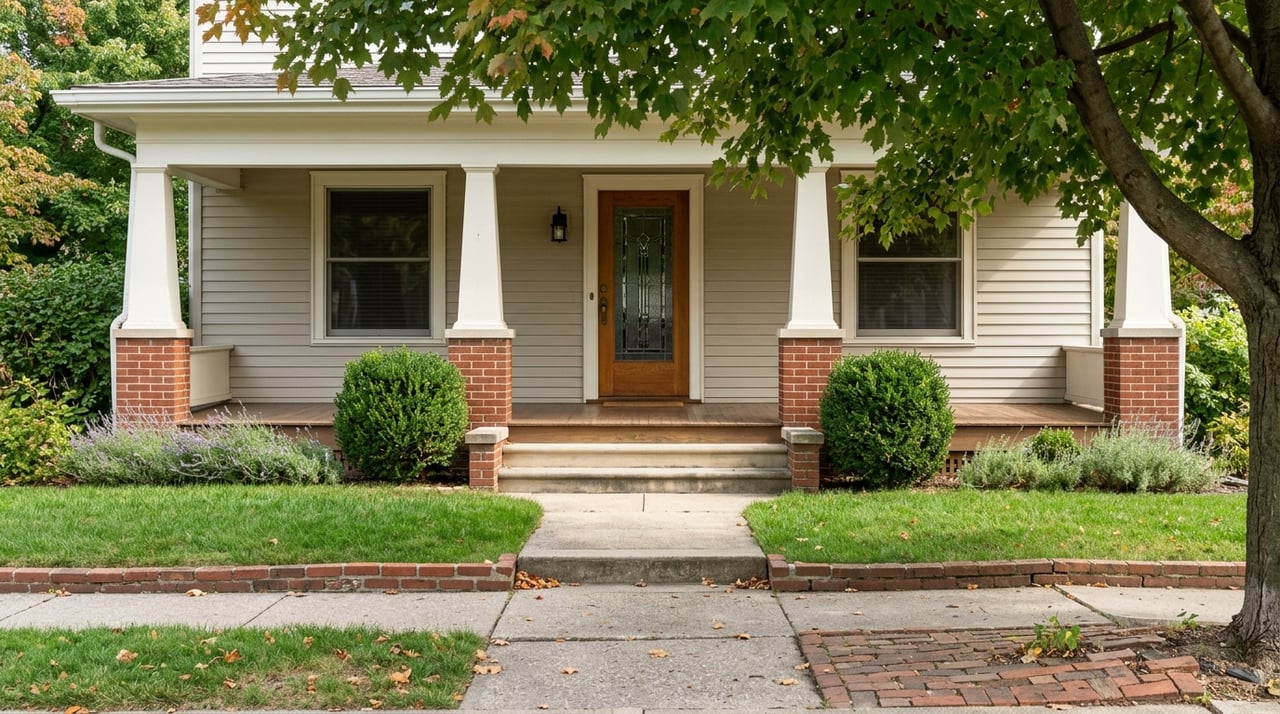
Wondering if a historic home in Congress Park is the right fit for you? It can be an exciting move, especially if you love original architecture, mature streetscapes, and homes with real character. But buying in Congress Park or the East 7th Avenue Historic District also means you need to look closely at renovation rules, inspections, and long-term costs before you write an offer. Let’s dive in.
Why Congress Park attracts historic-home buyers
Congress Park has deep roots in Denver’s growth. According to the Denver Public Library neighborhood history guide, the area was first platted as Capitol Heights in the late 1880s during a period of population growth and streetcar expansion.
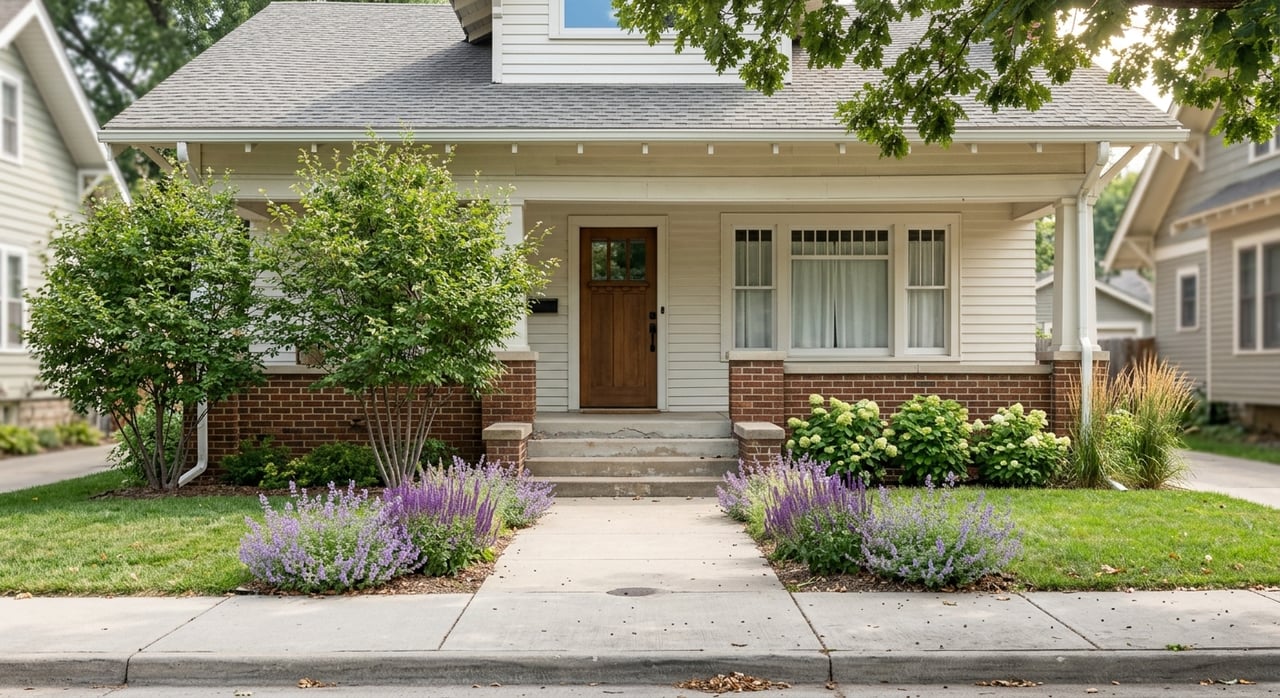
That history still shows up in the housing stock today. In Congress Park, you will often see a progression from Queen Anne and Victorian homes to Craftsman Denver Squares and 1920s bungalows, which helps explain why the neighborhood feels so visually varied and distinctive.
What makes 7th Avenue different
The East 7th Avenue Historic District overlaps the broader Congress Park area and is Denver’s largest historic district. The city describes development there as taking place primarily from the 1890s through 1930, with the East 7th Avenue Parkway, Cheesman Esplanade, and Williams Street Parkway shaping the district’s scale, setbacks, and tree canopy.
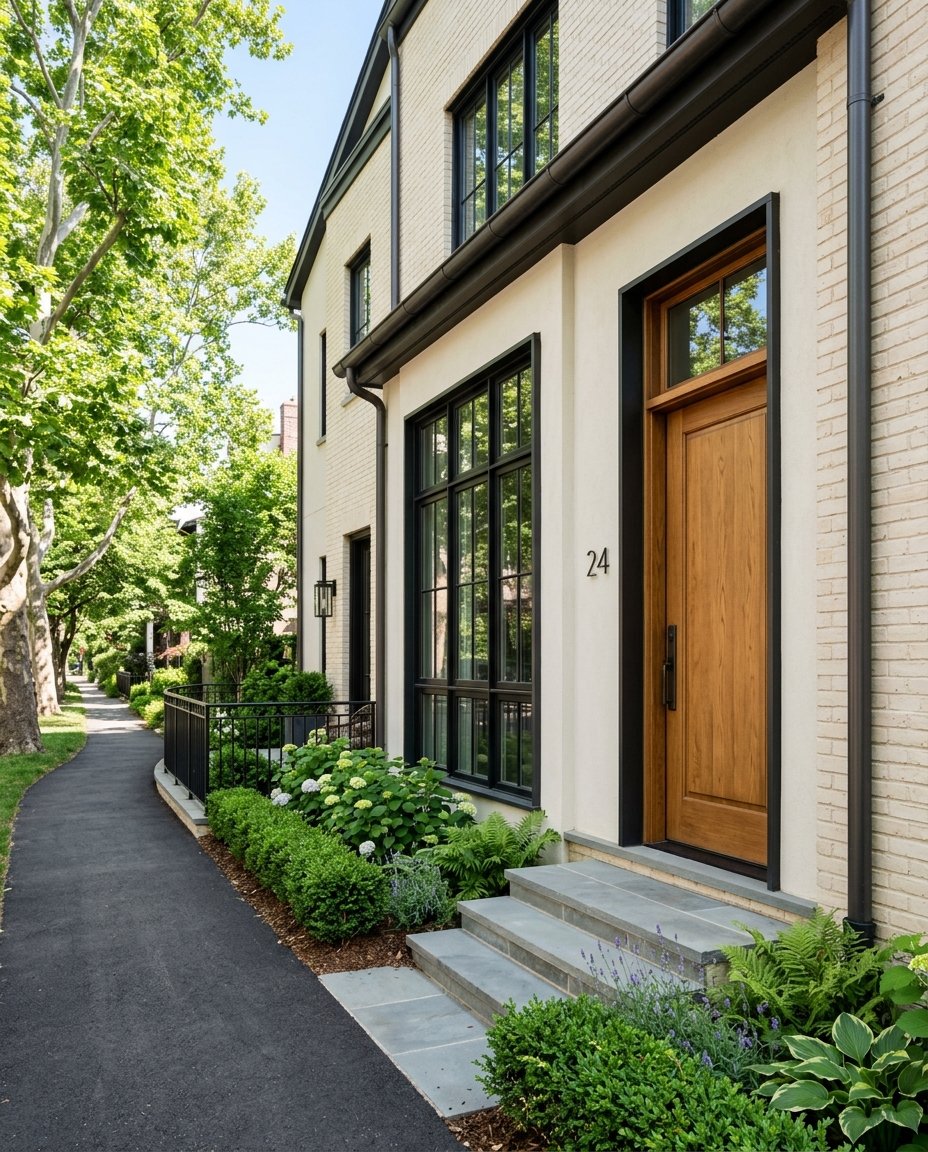
That setting matters when you are buying. Homes along the 7th Avenue corridor may include larger residences in styles such as Georgian Revival, French Mediterranean Revival, English Tudor, and Neoclassical, while nearby cross-street blocks often feature a different mix of older homes.
Expect architectural variety
One of the biggest appeals of buying here is variety. Congress Park is not a neighborhood where every block feels the same, and that can be a major plus if you want a home with a distinct look and feel.
At the same time, different architectural styles often come with different maintenance patterns. A bungalow, Denver Square, Tudor, or Victorian may each raise different questions about windows, roofing, trim, plaster, or exterior materials, so it helps to evaluate each property on its own merits rather than assume all historic homes in the area function the same way.
Historic designation affects renovations
If you are considering changes after closing, this is one of the most important parts of the process. In Denver, if a home is an individual landmark or located in a historic district, exterior work generally requires a Certificate of Appropriateness before you submit a permit application.
For many buyers, that comes as a surprise. Minor interior remodels with no exterior modifications usually do not need that review, but Denver notes that roof permits and other quick permits involving exterior work on historic-district or landmark properties still require Landmark Preservation review through the homeowner permits process.
Changes that may trigger review
If you are picturing future upgrades, you will want to confirm what the city may review before you buy. Denver’s design review guidance makes clear that visible changes to key exterior features often require review.
Common examples include:
- Windows and exterior doors
- Porches and visible architectural details
- Major exterior materials
- Additions and new construction
- Demolition work
In practical terms, that means a future project may be possible, but not always as a simple cosmetic update. Denver also maintains historic design guidelines, and some neighborhoods have customized guidelines, so the exact address matters.
Approval timelines can affect your plans
Timing matters just as much as design. Denver says straightforward quick reviews may be approved within a few business days, while more complex projects can require revisions and commission scheduling.
That can affect how you budget and how you think about move-in plans. If your purchase depends on replacing windows, altering a porch, building an addition, or pursuing an ADU concept, it is wise to confirm the likely review path before you get too far into your plans.
Older-home inspections need extra attention
A standard home inspection is important, but older homes often deserve a more targeted due-diligence strategy. In Congress Park and the 7th Avenue Historic District, many homes date to periods when building materials and systems were very different from what buyers expect today.
That does not mean every older home is a problem. It does mean you should go in with a sharper checklist and a clear understanding of when specialists may be worth adding to the process.
Lead paint is a key issue
If the home was built before 1978, lead-based paint should be on your radar. The EPA explains that the older the home, the more likely it is to contain lead-based paint, estimating that 87% of homes built before 1940 and 24% of homes built between 1960 and 1978 have some lead-based paint.
For buyers, the main issue is not just whether lead may be present. It is whether future work could disturb paint, plaster, trim, or windows and create lead dust. EPA guidance says you should either assume a pre-1978 home contains lead paint or hire a certified lead inspector or risk assessor.
If you plan to renovate, the EPA’s renovation, repair, and painting program says lead-safe certified contractors are required for covered renovation work that disturbs lead paint in pre-1978 homes, with limited exceptions for owners working on their own homes.
Asbestos calls for targeted evaluation
Asbestos is another older-home concern that often comes up during remodeling plans. The EPA notes that asbestos-containing material in good condition and left undisturbed usually does not pose a risk.
The bigger concern is damaged material or a renovation that will disturb it. If you notice suspect insulation, floor tile, pipe wrap, or similar materials, it may make sense to bring in a trained and accredited asbestos professional before finalizing repair costs or remodel bids.
Budget beyond the purchase price
Historic homes often require a more layered budget. In this part of Denver, your real cost picture may include inspection findings, specialist testing, permit steps, and design-review timing along with the purchase price itself.
That does not make these homes a bad investment. It simply means your budgeting should match the reality of older housing stock and historic-district rules, especially if you are buying with renovation goals already in mind.
Tax credits may help offset rehab costs
For some owner-occupants, Denver’s residential historic preservation tax credit guidance can be a valuable planning tool. The city says non-income-producing projects may qualify for a credit equal to 20% of qualified rehabilitation costs, up to $50,000 over a ten-year period, increasing to $100,000 for projects completed in or after 2025.
There are important limits, though. Denver says at least $5,000 of qualified rehabilitation expenses must be proposed and completed, and only a Denver landmark or a contributing building in a historic district may be eligible.
Understand the timing before you count on credits
Tax credits can help, but they are not automatic. Denver says applications are reviewed in two parts, each part may take up to 90 days, and Landmark Commission scheduling can add about four to six weeks.
The city also notes that a Certificate of Appropriateness does not guarantee tax-credit approval because tax credits are reviewed under the Secretary of the Interior’s Standards for Rehabilitation, not just local design guidelines. There is also an application fee that ranges from $250 to $1,000 depending on estimated project cost.
Smart questions to ask before you buy
If you are seriously considering a historic home in Congress Park, ask questions that go beyond finishes and floor plan.
A few smart ones include:
- Is the property a landmark or located within a historic district?
- Is the home a contributing building for potential tax-credit purposes?
- What exterior changes were completed previously, and were they approved?
- Are there near-term maintenance items involving windows, roofing, porches, or exterior materials?
- If you want to renovate, what city review steps may apply?
- Should lead or asbestos specialists be part of your due diligence?
These questions can help you compare homes more realistically and avoid underestimating the true scope of ownership.
Buying with the right strategy
Historic homes in Congress Park can offer charm, architectural detail, and a strong sense of place that is hard to replicate. The key is making sure the home you love also matches your budget, renovation goals, and timeline.
That is where local guidance matters. If you want help evaluating a historic home in Congress Park or the 7th Avenue Historic District, Katie Knop can help you navigate the details, understand the tradeoffs, and make a confident decision.
FAQs
What does historic district status mean for a home in Congress Park?
- If a home is in a Denver historic district or is individually landmarked, exterior work generally needs a Certificate of Appropriateness before permit submission, and visible exterior changes may require Landmark Preservation review.
Can you replace windows on a historic home in the 7th Avenue Historic District?
- Possibly, but window changes are often review items for historic properties, so you should confirm the rules for the exact address before planning the project.
Should you test for lead paint when buying an older home in Congress Park?
- If the home was built before 1978, EPA says you should either assume lead-based paint is present or hire a certified lead inspector or risk assessor, especially if you plan to renovate.
Is asbestos always dangerous in an older Denver home?
- Not necessarily. EPA says asbestos-containing material that is in good condition and left undisturbed usually does not pose a risk, but damaged material or remodel work may call for professional evaluation.
Are there tax credits for restoring a historic home in Denver?
- Denver says some owner-occupants may qualify for a residential historic preservation tax credit equal to 20% of qualified rehabilitation costs, subject to eligibility rules, timing, and application requirements.