What if your neighborhood made it easy to spend more time outside without giving up city convenience? That is a big part of the appeal of Central Park Denver, a large planned community where parks, trails, shops, and transit all shape daily life. If you are exploring where to live in Denver and want a place that blends green space with practical access, this guide will help you understand what makes Central Park stand out. Let’s dive in.
Why Central Park Feels Different
Central Park is not a traditional older Denver neighborhood with one historic main street and a single center. It is a 4,700-acre redevelopment shaped through a city-led planning process and designed more like a network of connected mini-districts.
That design shows up in how the neighborhood functions day to day. Instead of relying on one commercial hub or one signature park, Central Park spreads amenities across 12 sub-neighborhoods with multiple retail nodes, shared recreation spaces, and a broad trail network.
For you, that can mean more flexibility in how you live. Depending on where you land, you may be closer to Northfield and larger retail, or nearer to Westerly Creek and nearby open space like Bluff Lake.
Parks Shape Daily Life
If you are looking for park-centric urban living in Central Park Denver, the numbers tell the story. The neighborhood includes 60 parks, two dog parks, 62 miles of trails, and nearly 25% of its acreage is devoted to parks and nature.
That is not just a nice bonus. It means outdoor access is built into the layout of the community, and almost every home has at least one park within a five-minute walk.
This kind of setup can change your routine in practical ways. You may find it easier to fit in a morning walk, a stroller loop after work, a quick dog outing, or a weekend bike ride without planning your whole day around it.
Trails and Green Space Add Flexibility
The trail network is one of the neighborhood’s strongest lifestyle features. With 62 miles of trails, Central Park gives you options for everyday movement, whether you are heading out for exercise, a casual walk, or a route between different parts of the neighborhood.
Because green space is spread throughout the community, the outdoor experience feels woven into the neighborhood instead of isolated in one large park. That can make the area feel more connected and more usable on a daily basis.
Pools and Recreation Support Active Living
Central Park also includes seven neighborhood pools operated through the community’s shared amenities. These add another layer to the outdoor lifestyle and give residents more ways to enjoy the warmer months close to home.
For year-round recreation, the Central Park Recreation Center provides indoor options in northeast Denver. According to Denver Parks and Recreation, the center includes an indoor pool with a lazy river, splash area, 25-yard lap pool, and slide, plus a gym, fitness studio, cardio and weight rooms, and multipurpose space.
Community Life Goes Beyond the Parks
Parks may be the headline, but community programming adds a lot to the neighborhood feel. The Master Community Association operates and maintains shared amenities such as pools, town centers, the trail network, and parks, while also supporting events throughout the year.
That programming includes farmers markets, outdoor movie series, theater and concert series, art festivals, and seasonal celebrations. If you value a neighborhood with built-in activities and gathering spaces, Central Park offers more than just physical amenities.
This can be especially helpful if you are relocating to Denver and want a place where it is easier to plug in. Regular events and activated public spaces can make a large planned neighborhood feel more personal over time.
Nearby Nature Expands the Outdoor Appeal
Some of the area’s most appealing destinations sit just outside the neighborhood itself. That distinction matters, especially if you want an accurate picture of what is inside Central Park versus what is nearby.
Bluff Lake Nature Center is adjacent to the community and describes itself as a unique urban wildlife refuge and outdoor classroom. It is also identified as Denver’s largest open space managed as native habitat.
Rocky Mountain Arsenal National Wildlife Refuge is another major nearby asset. The refuge is free to visit and offers trails, wildlife viewing, an 11-mile wildlife drive, and seasonal fishing.
Together, these nearby destinations extend the outdoor feel of Central Park. If you like having both neighborhood parks and larger natural areas within easy reach, this location offers a strong mix.
Housing Options Offer Variety
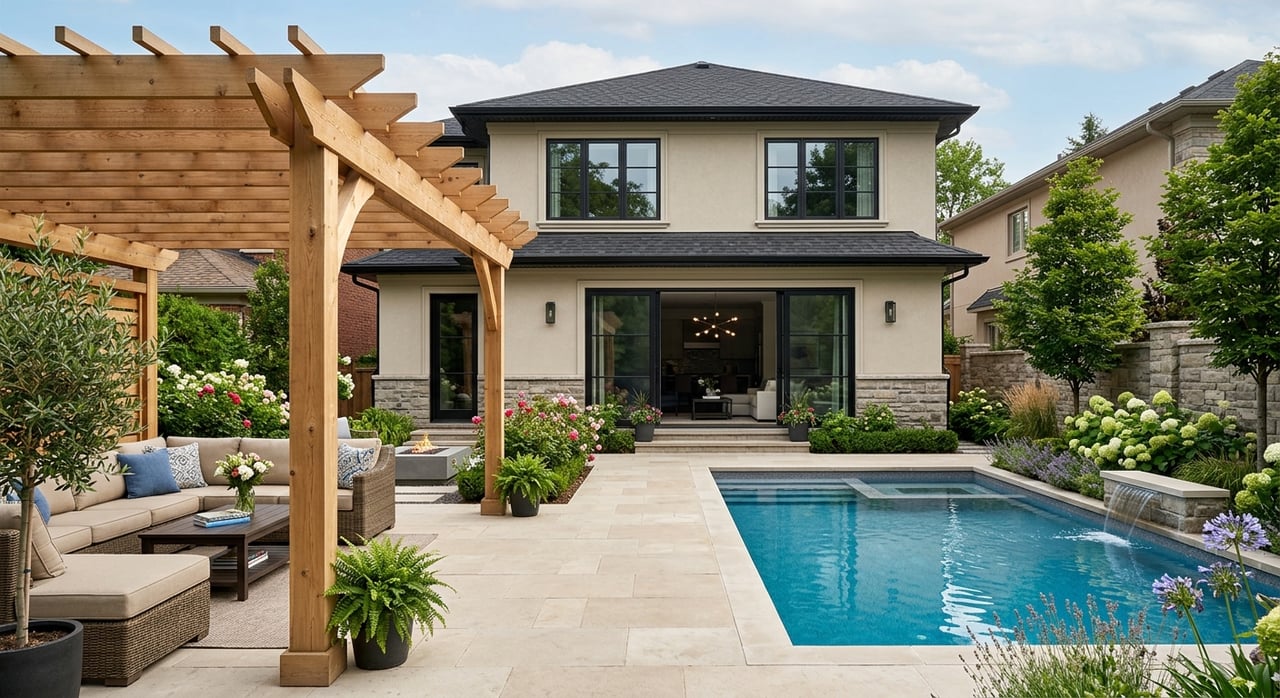
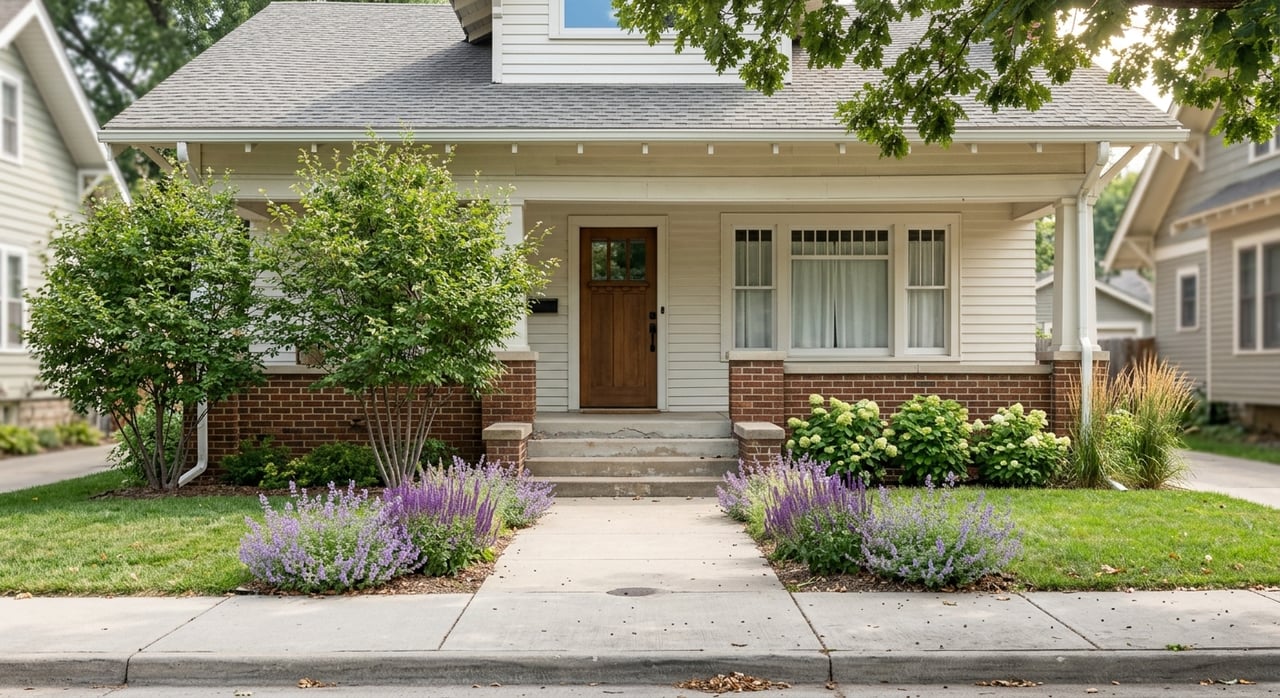
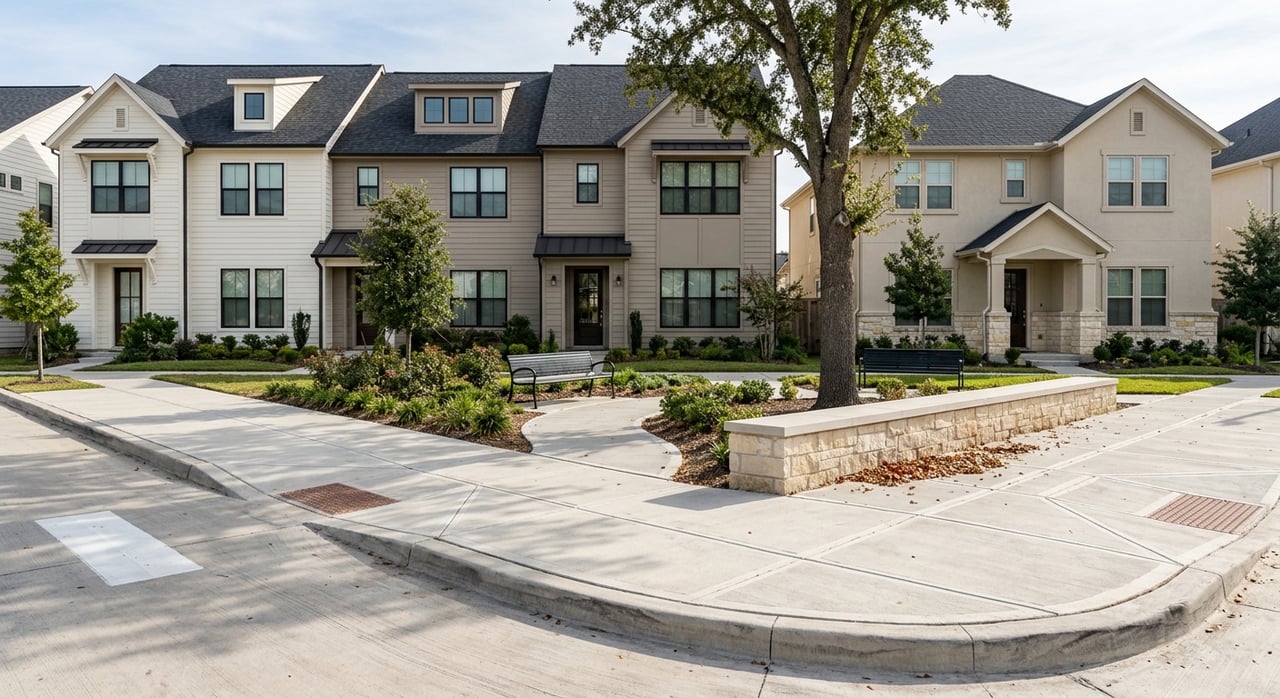
Central Park is not defined by one housing type. The neighborhood includes a mix of condominium homes, townhomes, cottage-style single-family homes, affordable homes, and luxury townhomes.
That variety is part of what makes the area accessible to different kinds of buyers. Whether you want lower-maintenance living, more space, or a home that balances urban design with a neighborhood setting, there is a wider range here than in many single-product communities.
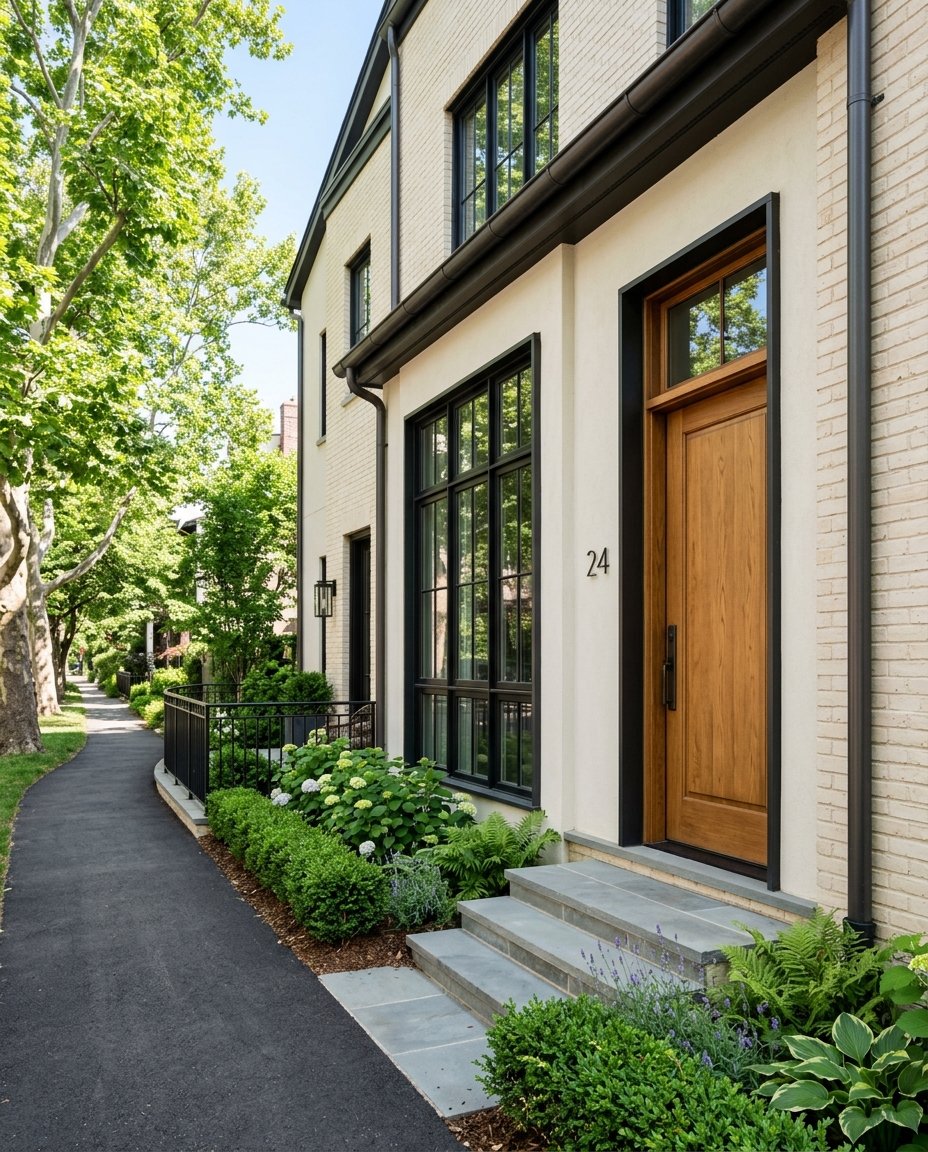
The built form also supports the neighborhood’s walkable feel. Design features like tree-lined streets, front porches, and alley-loaded garages help create a streetscape that feels more urban-leaning than a conventional suburban subdivision.
A Mixed-Price Community by Design
Central Park also stands out for intentionally integrating affordable housing throughout the neighborhood. According to the community site, 10% of for-sale homes and 20% of for-lease homes are priced in the affordable range, and those homes are distributed throughout the community rather than separated into one area.
That supports a more mixed-price neighborhood identity. For buyers, it is one more sign that Central Park was planned to offer variety in both housing style and price point.
Shops, Services, and Daily Convenience
Another reason Central Park appeals to so many buyers is convenience. Instead of one main retail strip, the neighborhood is served by several destination nodes that support daily errands, dining, and recreation.
The community highlights East 29th Avenue Town Center, Eastbridge Town Center, The Shops at Northfield, and Stanley Marketplace as key destinations. Each plays a slightly different role in day-to-day living.
East 29th Avenue Town Center is known as the original town center, with coffee, ice cream, yoga, flowers, wine, pizza, concerts, and farmers markets. Eastbridge Town Center adds food, drink, fitness, and beauty-focused businesses.
The Shops at Northfield bring larger-format retail, restaurants, and entertainment into the mix. Stanley Marketplace, which sits next to the neighborhood rather than inside it, adds more than 50 locally owned businesses near the Westerly Creek Greenway.
For you, this setup can make daily life feel easier and more flexible. You have several different places to run errands, meet friends, grab dinner, or spend part of your weekend without needing to head far across town.
Transit Adds a City-Friendly Edge
Central Park is also one of the more transit-connected neighborhood options in this part of Denver. RTD describes Central Park Station as a rail-station park-and-ride with paid parking, 1,500 spaces, nine bus routes, and the A Line.
The A Line runs between Union Station and Denver International Airport, which adds real convenience for commuters, frequent travelers, and hybrid workers. This transit connection helps Central Park offer a car-light option while still supporting residents who want parking access.
Denver’s transit-oriented development map classifies the Central Park station area as an urban center on the energize end of the continuum. In simple terms, that supports the idea that transit is not an afterthought here. It is part of how the neighborhood is structured.
Who Central Park Often Fits Best
Central Park tends to appeal to buyers who want newer housing, access to outdoor space, and practical daily convenience in one place. It can be a strong fit if you want a neighborhood where parks and trails are part of everyday life rather than occasional destinations.
It may also appeal to you if you like having multiple centers of activity. Because the neighborhood functions as a group of mini-districts, you can often find a pocket that better matches your preferred pace and priorities.
If you are comparing Central Park with older Denver neighborhoods, the key difference is lifestyle structure. Central Park offers an intentionally planned mix of green space, housing variety, retail nodes, and transit, while older neighborhoods may offer a different kind of character and street pattern.
What to Consider When Home Shopping Here
As you explore Central Park, it helps to think beyond the neighborhood name alone. Because the community is large and organized into 12 sub-neighborhoods, your experience can vary depending on where you are within it.
A few practical questions can help narrow your search:
- Do you want to be closer to a specific town center?
- Would you use trails and parks every day, or mostly on weekends?
- Is quick access to Central Park Station important for your routine?
- Do you prefer a condo, townhome, or single-family home?
- Would nearby access to places like Bluff Lake, Northfield, or Stanley Marketplace shape your decision?
These details matter because Central Park is less about one single vibe and more about choosing the right pocket within a larger community.
If you are buying in Denver, this is where neighborhood-level guidance becomes especially valuable. A well-matched location can shape your commute, your weekend routine, and how connected you feel to the places you use most.
Central Park offers a compelling version of Denver living for buyers who want parks, trails, mixed housing options, and built-in convenience. If you are weighing whether this neighborhood fits your lifestyle, working with a local expert can help you compare the sub-neighborhoods, understand the housing mix, and find the right fit for your goals. When you are ready to explore Central Park or other Denver neighborhoods, connect with Katie Knop.
FAQs
What makes Central Park Denver feel park-centric?
- Central Park includes 60 parks, two dog parks, 62 miles of trails, seven neighborhood pools, and nearly 25% of its acreage devoted to parks and nature.
What types of homes are available in Central Park Denver?
- The neighborhood includes condo homes, townhomes, cottage-style single-family homes, affordable homes, and luxury townhomes.
Is Central Park Denver good for transit access?
- Central Park Station connects to the A Line between Union Station and Denver International Airport and includes 1,500 parking spaces plus nine bus routes.
What shopping areas serve Central Park Denver residents?
- Key destinations include East 29th Avenue Town Center, Eastbridge Town Center, The Shops at Northfield, and nearby Stanley Marketplace.
Are Bluff Lake and Stanley Marketplace inside Central Park Denver?
- No. They are nearby destinations adjacent to the neighborhood, not amenities located inside Central Park itself.