
Trying to keep inspections and appraisals straight as you shop in Hilltop? You are not alone. These two steps sound similar, but they serve very different purposes and can change your deal in big ways. By the end of this guide, you will know what each one does, what it costs, how Colorado contracts handle them, and how to negotiate with confidence in Hilltop. Let’s dive in.
Inspection vs appraisal basics
What a home inspection is
An inspection is a buyer-ordered, visual evaluation of the home’s condition. A licensed or certified inspector reviews structure, systems, and visible components to flag defects, safety issues, and items that may need specialist follow-up. You choose which inspections to order and you pay for them.
In metro Denver, a general home inspection typically runs about $300 to $700 depending on the home’s age and size. Optional tests add to the budget. Expect roughly $150 to $300 for a radon test and $150 to $400 for a sewer scope. Other specialty checks like roof, HVAC, pest, chimney, or foundation can add $100 to $600 each.
Inspectors do not set value. Their report is advisory and gives you leverage to negotiate repairs, credits, or to walk away during your deadline window if the contract allows.
What an appraisal is
An appraisal is a lender-ordered valuation. A licensed appraiser compares the home to recent sales, adjusts for condition and features, and delivers a market value that the lender uses to set your maximum loan amount. For financed purchases in metro Denver, appraisal fees commonly run $450 to $800 and are usually paid by you at or near loan application.
Appraisers may call out safety or habitability issues that the lender requires fixed before closing. They are not a substitute for a detailed inspection and they do not provide a punch list of repairs.
Key differences for buyers
- An inspection protects your knowledge and negotiation position about condition and future costs.
- An appraisal protects the lender. If value comes in below the contract price, your loan amount is capped and you may need to bring extra cash, renegotiate, or terminate if your contract allows.
Colorado timelines and contract basics
Due diligence vs earnest money
Colorado contracts commonly include a negotiated Due Diligence Period. You pay a non-refundable Due Diligence Fee to the seller for the right to investigate and, if needed, terminate within that window. Earnest money is separate, held by the title company, and is typically returned if you terminate within your Due Diligence deadline according to your contract.
Practically speaking, you will complete inspections and any repair negotiations during the Due Diligence Period. If you want full protection, keep enough time in that window to inspect and make clear decisions.
Inspection deadlines and practice
In Denver and Hilltop, Due Diligence often runs 7 to 15 days, though timelines can be shorter in a strong seller market. You should schedule the general inspection within the first 1 to 3 days so you have time for specialty tests and for the seller to respond.
If you want repairs or credits, you submit a written Inspection Objection or an amendment before the deadline. Sellers can agree, counter with credits or limited repairs, or refuse. Any agreement must be in writing and signed.
Appraisal mechanics and options
Lenders usually order the appraisal early in the process. Turnaround is often 7 to 14 days, longer for complex or luxury properties. If the appraisal is lower than your contract price, your contract may allow you to terminate, renegotiate price, or bring extra cash to close. Some buyers choose to waive or modify appraisal protections to win a competitive offer, but that increases risk because the lender will not fund above the appraised value.
If the appraiser notes safety or habitability deficiencies, the lender will require those to be repaired or escrowed before closing.
Typical timeline in Denver
- Day 0: Contract signed. Deposit your Due Diligence Fee and earnest money per contract. Schedule inspection.
- Days 1–7: Complete general inspection and needed specialty tests. Submit Inspection Objection or amendment within your deadline.
- Days 7–14: Lender orders appraisal. Appraiser visits and completes the report. Any appraisal conditions are issued.
All deadlines are negotiable and depend on market conditions and what you and the seller accept.
Hilltop property factors to watch
Age and style of homes
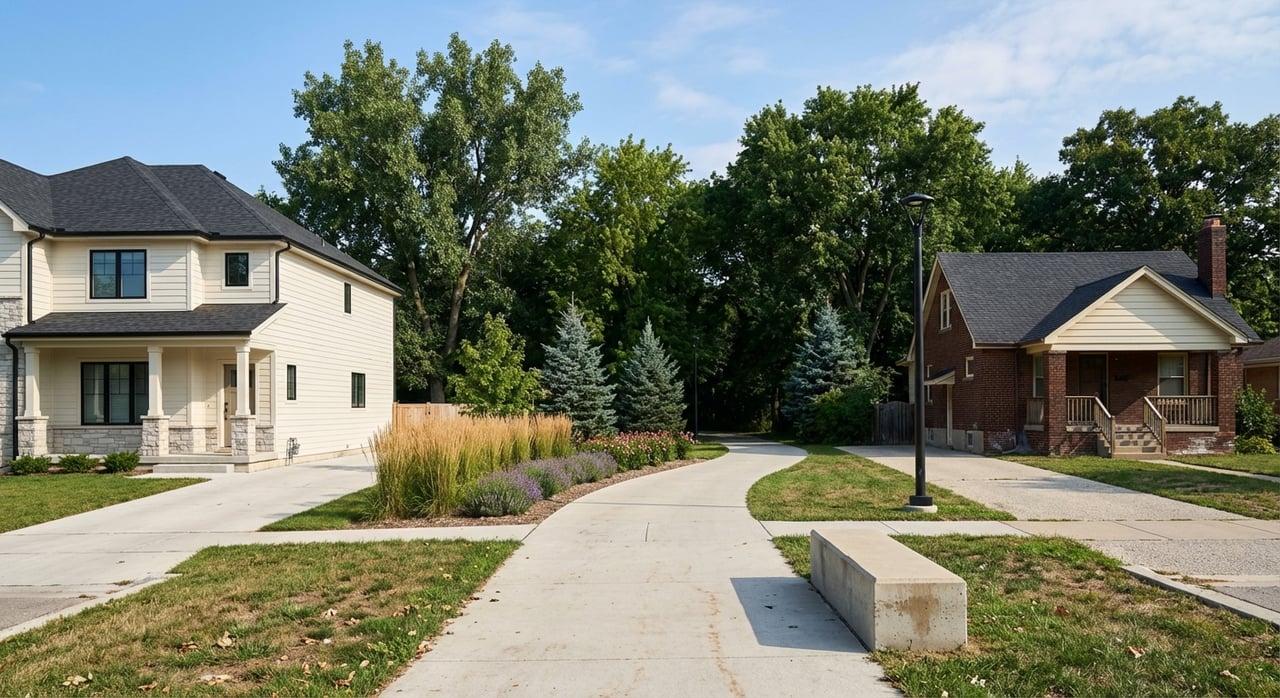
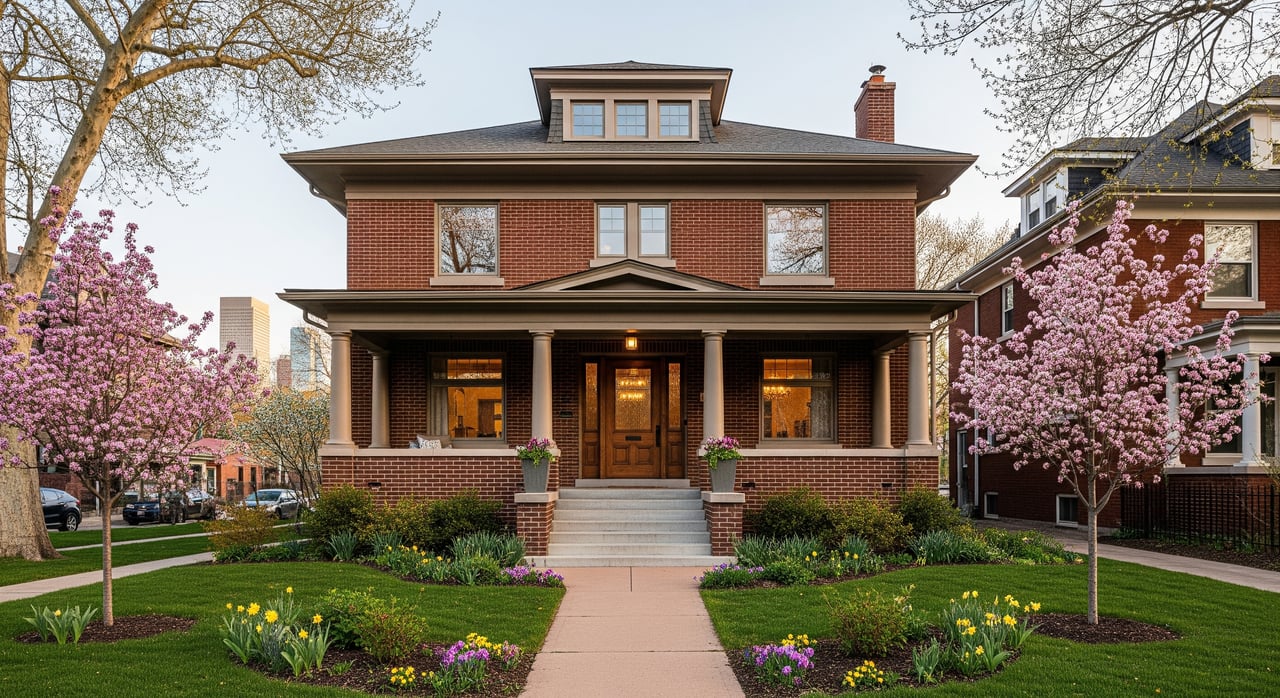
Hilltop features many early-to-mid 20th-century homes alongside newer infill builds. You will see original brick or stone bungalows, Tudor and Colonial styles from the 1920s to 1950s, plus renovated and heavily updated homes. That mix creates variability in condition and improvements that inspectors and appraisers will evaluate closely.
Common inspection issues
- Foundations and settlement: Older basements and previous repairs are common. If your inspector flags movement, a structural engineer consult may be wise.
- Unpermitted renovations: Additions or basement remodels may not have permits. Unpermitted work can affect value, insurability, and underwriting.
- Electrical systems: Older wiring or outdated panels can be safety concerns and may trigger lender-required fixes.
- Roofs, plumbing, HVAC: Roofs near end of life, aging cast-iron sewer lines, and older furnaces or AC units are common findings.
- Radon: Denver has elevated radon potential. Short-term testing is recommended for Hilltop homes according to EPA guidance on radon and the CDPHE radon program.
- Lead-based paint: Homes built before 1978 require federal disclosures. You can review the HUD lead-based paint disclosure rules to understand your options.
Appraisal comparables in Hilltop
Because Hilltop has both renovated and non-renovated homes, comparables can be tricky. Appraisers will adjust heavily for condition, finishes, and lot size, and unique or high-end properties may lack close comps. That can lengthen appraisal timelines or increase the chance of a value that is lower than your contract price.
Negotiating outcomes that work
After inspection
Your options include asking the seller for repairs, requesting a credit or price reduction, or terminating within your Due Diligence window if you are not satisfied. Sellers might prefer credits to avoid taking on repairs. Safety and habitability items typically carry the most weight. In Hilltop’s older homes, expect conversations about foundation concerns, unpermitted work, radon mitigation, and major system replacements.
If the appraisal is low
You have a few paths:
- Bring the difference in cash to close.
- Ask the seller to reduce price to the appraised value.
- Split the gap with the seller through a mix of price reduction and cash.
- Terminate if your financing or appraisal language allows.
- Request an appraisal reconsideration or second opinion if your lender permits and there are factual errors or stronger comps.
Lenders base your maximum loan on the appraised value. For some loan types, appraiser-required safety repairs must be completed or escrowed before closing.
How leverage differs
Inspection leverage comes from condition. You hold the option to negotiate or walk away during your Due Diligence Period. Appraisal leverage is about financing. The lender controls the money, so outcomes center on value, not punch list items.
Step-by-step checklist
Before you write an offer
- Study Hilltop’s pace and typical Due Diligence lengths with your agent.
- Decide your ideal Due Diligence period and whether you prefer repairs or credits.
- Budget $500 to $1,500 for inspections and $450 to $800 for the appraisal.
- Ask for seller disclosures and permit history. The City and County of Denver keeps records that can help you evaluate additions and remodels.
After you go under contract
- Schedule the general inspection within 24 to 72 hours and order any recommended specialty tests.
- Confirm your Due Diligence Fee and earnest money deposits per contract.
- If financing, complete your loan application and track the appraisal timeline with your lender and title team. The Colorado Division of Real Estate has consumer resources if you want a primer on process and roles.
If inspection finds issues
- Submit your Inspection Objection or amendment before the deadline with clear requests: repairs, credits, or price changes.
- If the seller agrees to repairs, get it in writing with scope, who performs the work, timelines, and whether receipts or warranties are required.
- If issues are severe and not resolved, consider terminating within your Due Diligence Period.
If the appraisal comes in low
Review the report for factual errors. If needed, ask your lender about a reconsideration with documented comps.
Be ready to bring extra cash, renegotiate price, or terminate if your contingency allows.
If the lender requires repairs for safety, coordinate completion or negotiate an escrow to avoid delays.
Specialists to line up
- Home inspector with experience in older Denver homes.
- Structural engineer if foundation movement is suspected.
- Sewer scope operator for older cast-iron lines.
- Radon testing using a short-term continuous monitor, with clear guidance on next steps if levels are elevated.
- For cash purchases, a private appraiser who knows Hilltop’s renovated vs. original comps.
Bringing it all together
In Hilltop, the best outcomes come from quick scheduling, clear deadlines, and calm negotiations. Use your inspection to understand condition and set expectations, then prepare for the appraisal to confirm value for the lender. With the right plan, you can protect your budget, your timeline, and your peace of mind.
If you want a neighborhood-savvy strategy for Hilltop, connect with Katie Knop for a clear plan from offer to closing.
FAQs
What is the main difference between an inspection and an appraisal?
- An inspection evaluates the home’s condition for you, while an appraisal sets market value for the lender and determines your maximum loan amount.
Who pays for inspections and appraisals in Colorado?
- You typically pay both. Inspections often total $500 to $1,500 with specialty tests. Appraisals commonly cost $450 to $800 in metro Denver.
When should I schedule my Hilltop home inspection?
- Book it within 1 to 3 days of going under contract to allow time for specialty tests, repair requests, and seller responses before your Due Diligence deadline.
What happens if the appraisal is lower than my Hilltop contract price?
- You can bring extra cash, renegotiate price, split the difference, or terminate if your contract allows. Lenders will not fund above appraised value.
Can an appraiser require repairs in Colorado?
- Yes. Appraisers can note safety or habitability issues that lenders require to be fixed or escrowed before closing.
Is radon testing necessary in Hilltop homes?
- It is recommended. Denver has elevated radon potential according to EPA guidance on radon and the CDPHE radon program.