Thinking about selling your Park Hill home and trying to nail the timing? You are not alone. Timing affects how quickly you sell and how strong your final price is, especially in a neighborhood with historic charm and high visibility like Park Hill. In this guide, you will learn the best months to list, when to start preparing, and how to price and negotiate to your advantage. Let’s dive in.
Best months to list in Park Hill
If you want a spring or early summer sale, aim to have your home active on the market in late March through early June. Within that window, April to May typically captures the highest buyer attention, faster sales, and stronger sale-to-list ratios. This follows consistent seasonal patterns in Denver and across the country where buyer activity rises in spring as inventory builds.
If you miss spring, a secondary window opens in early September. Many buyers return from summer travel ready to act, and competition from casual listings is lower. If your timing is flexible, try to avoid late November through January. Those months usually see the lowest buyer activity and longer days on market.
Why this timing works in Park Hill
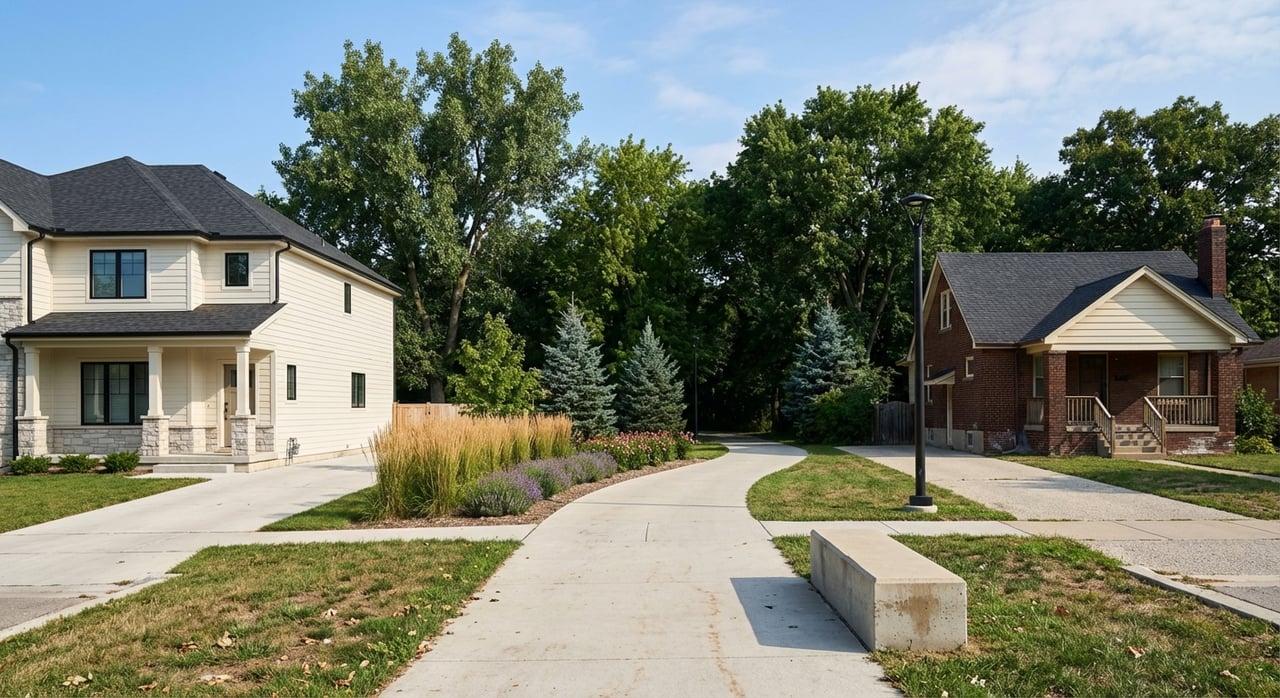
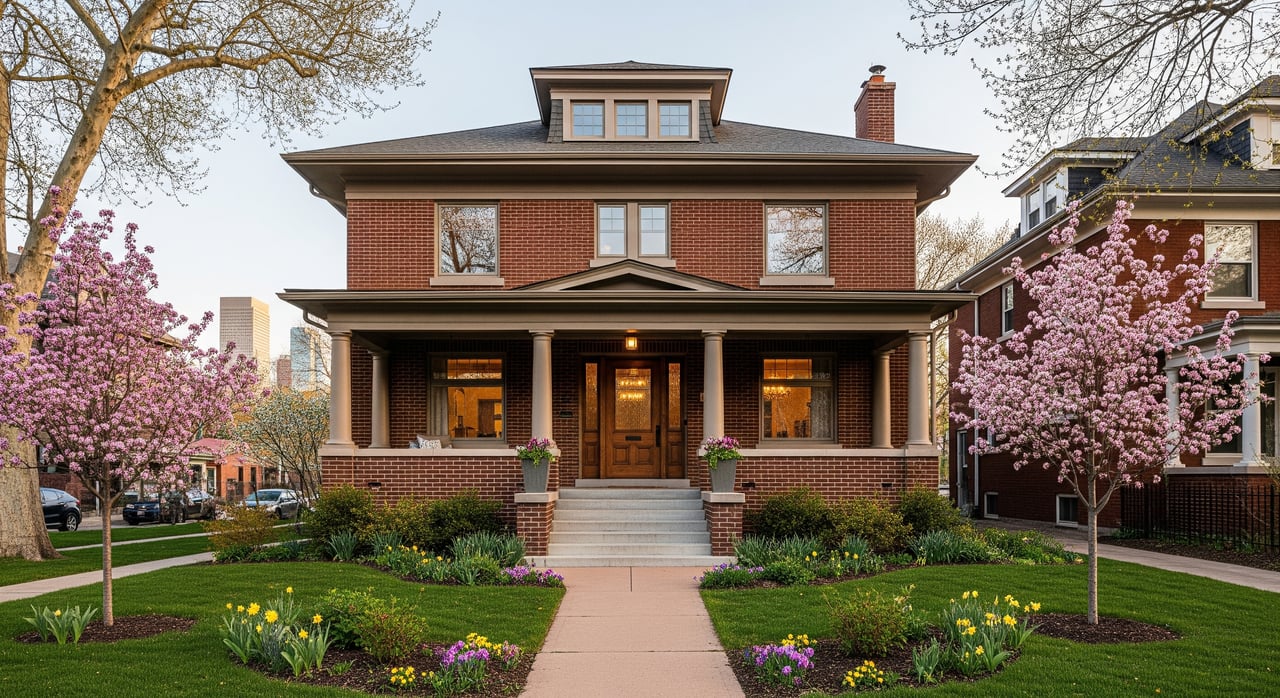
Park Hill’s appeal is steady: tree-lined streets, period homes, and proximity to City Park and cultural amenities. In spring, curb appeal peaks as landscaping comes alive and buyers increase their tours. Many buyers also plan moves around academic calendars, which concentrates demand in April through June.
Historic and period homes are common in Park Hill. These properties shine when maintenance and updates are well documented. A spring launch lets you pair fresh exterior photos with a clean, complete disclosure packet that builds buyer confidence.
Prep timeline for a spring launch
Work backward from your target list date. Sellers who start early have smoother launches and fewer surprises.
- 12+ weeks out: Meet with your agent, review recent Park Hill comps, and schedule any major repairs or contractor work.
- 8 to 10 weeks out: Begin staging plans, declutter, and gather warranties, permits, and maintenance records.
- 4 to 6 weeks out: Consider a pre-listing inspection, finalize your pricing strategy, and book professional photography for peak spring bloom.
- 1 to 2 weeks out: Deep clean, complete staging, and confirm marketing copy and MLS remarks.
- Listing week: Launch to MLS with a coordinated plan for open houses, private showings, and digital exposure.
Pricing strategy that fits the market
Your price should reflect current absorption and inventory. A simple way to read the market is months of inventory (MOI): active listings divided by the average monthly closed sales. Lower MOI points to a stronger seller’s market with faster sales.
- Seller’s market (MOI under 3): Price at or slightly under true market value to create urgency and encourage multiple offers. Consider an offer deadline to focus buyer attention.
- Balanced market (MOI 3 to 6): Price at market based on recent, nearby comps that match style, condition, lot, and updates. Expect negotiation on price and terms.
- Buyer’s market (MOI over 6): Price competitively with clear value. Highlight your home’s updates and be flexible on timing or small concessions.
Always anchor pricing to recent Park Hill sales that match your home’s characteristics. Avoid relying on old or non-neighborhood comps.
Listing presentation that wins
Spring buyers respond to listings that are show-ready from day one. Give them a clear, complete story.
- Curb appeal: Fresh mulch, trimmed trees and hedges, swept walkways, and seasonal planters make a strong first impression.
- Repairs: Address visible maintenance like roofs, windows, water intrusion fixes, and HVAC servicing. Disclose as required.
- Updates: Neutral paint, refreshed lighting, and clean kitchens and baths carry outsized weight. In historic homes, preserve character while making sure systems are functional and documented.
- Staging and photos: Professional staging and photography are essential. Exterior shots in spring light and interior images that showcase flow and natural light help your home stand out.
Negotiation game plan in spring
When buyer activity is high, a clear negotiation strategy protects your net proceeds and timeline.
- Multiple offers: Use a well-communicated offer deadline or best-and-final window. Compare offers based on net proceeds and terms, not just price. Consider financing strength, inspection scope, and appraisal language.
- Inspection planning: A pre-listing inspection can reduce surprise renegotiations. If issues surface, decide whether to fix them pre-market or price accordingly.
- Appraisal strategy: When prices are moving, appraisal-gap language can help, but weigh the risks and support your value with strong comps.
- Flexibility: Matching a buyer’s preferred closing date can preserve price without a credit. Small concessions in a balanced market can keep momentum.
What if you miss spring?
If your timeline shifts, September can be a strong second chance. Buyers often return focused and ready to write, and you will face fewer new listings than in peak spring. Just align your price to current inventory and absorption.
For mid to late summer, activity may slow as people travel and inventory peaks. That does not mean you cannot sell well. It does mean pricing and presentation need to be crisp, and your marketing calendar should be tight.
Track the data before you list
Even with reliable seasonal patterns, you should confirm the current numbers before you choose your list week. Ask your agent to pull Park Hill metrics for the last 12 months and the most recent 30 to 90 days.
Key indicators to review monthly:
- Active listings
- Closed sales in the past 30, 60, and 90 days
- Average and median days on market
- Median sale price and sale-to-list ratio
- Months of inventory or absorption rate
- New listings per month
- Showing and open-house activity
How to read MOI and absorption:
- MOI under 3 months often favors sellers and can reward a launch now.
- MOI 3 to 6 months is balanced. Price precisely and highlight condition and lifestyle appeal.
- MOI over 6 months favors buyers. Expect longer days on market and build in flexibility.
A simple action plan for Park Hill sellers
- Decide your target window: late March through early June, or early September if you miss spring.
- Start prep 8 to 12 weeks out so repairs, staging, and photos are done before you go live.
- Set pricing based on fresh Park Hill comps and current MOI.
- Use professional staging, photography, and a coordinated launch calendar.
- Align your negotiation plan with your goals for price, timeline, and risk.
If you want a Park Hill-specific plan and a clear path to top-dollar, connect with Katie Knop for neighborhood comps, a tailored timeline, and studio-level marketing that showcases your home. Get a free home valuation.
FAQs
When is the best month to sell a home in Park Hill?
- April to May is often the strongest window, with late March through early June also performing well.
Is September a good time to list in Park Hill if I miss spring?
- Yes, early September can work well as motivated buyers return from summer and listing competition typically eases.
What months should Park Hill sellers avoid if timing is flexible?
- Late November through January usually see the lowest buyer activity and longer days on market.
How early should I start preparing my Park Hill home to sell?
- Begin major repairs 8 to 12 weeks before you list, then complete staging and photos 2 to 6 weeks before launch.
What is months of inventory and why does it matter in Park Hill?
- MOI is active listings divided by average monthly sales, and lower MOI often signals faster sales and stronger seller leverage.
What updates pay off most for Park Hill’s historic homes?
- Neutral paint, refreshed kitchens and baths, and documented maintenance of core systems help buyers feel confident.
Should I get a pre-listing inspection for a Denver sale?
- It is optional, but it can reduce surprises during negotiation and speed up the path to closing.