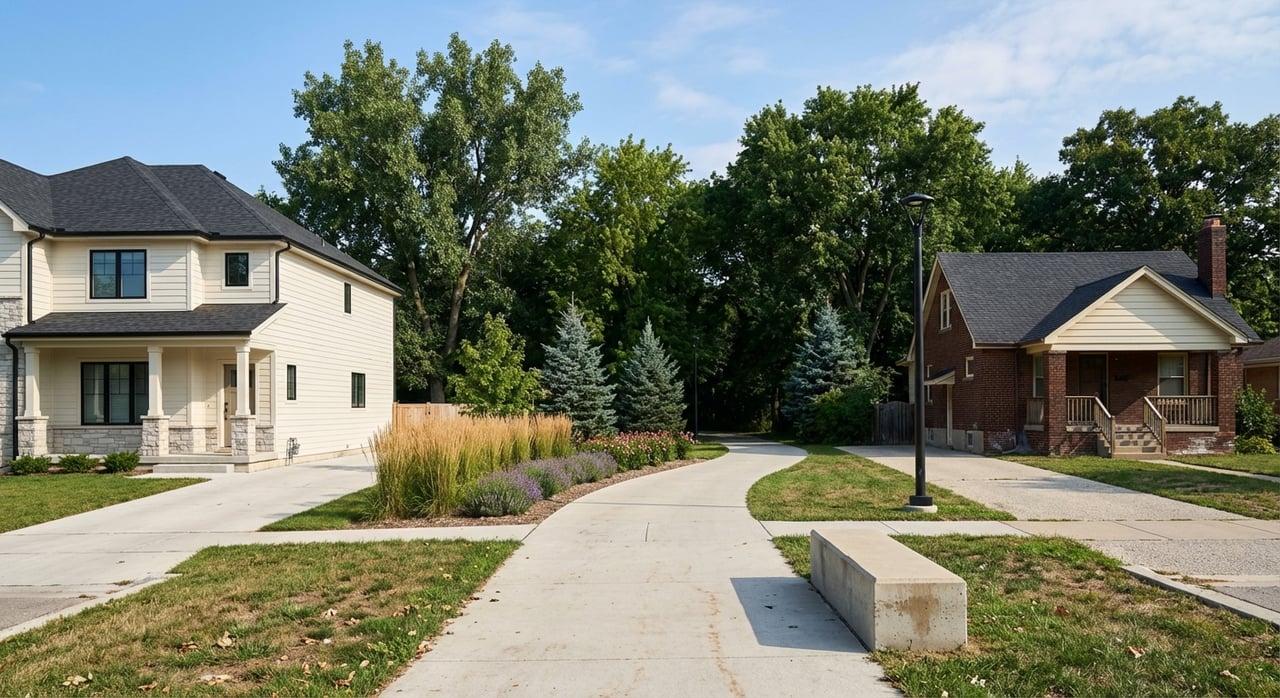
Trying to decide between Central Park and Park Hill for your Denver home base? You are not alone. Both neighborhoods offer strong value, great parks, and solid access to the city, but they feel very different day to day. In this guide, you will compare housing styles, price ranges, commute options, parks, and school access so you can choose with confidence. Let’s dive in.
Central Park at a glance
What and where
Central Park (formerly Stapleton) is a master-planned community built on Denver’s old airport site in the 80238 area. The name officially changed in 2020 after community votes and board approvals, which is why you still hear both names. You can read the backstory on the name change in this local coverage from Denverite. The official community site outlines the plan, sub-neighborhoods, and amenities across the development’s parks and centers (Central Park community site).
Housing character
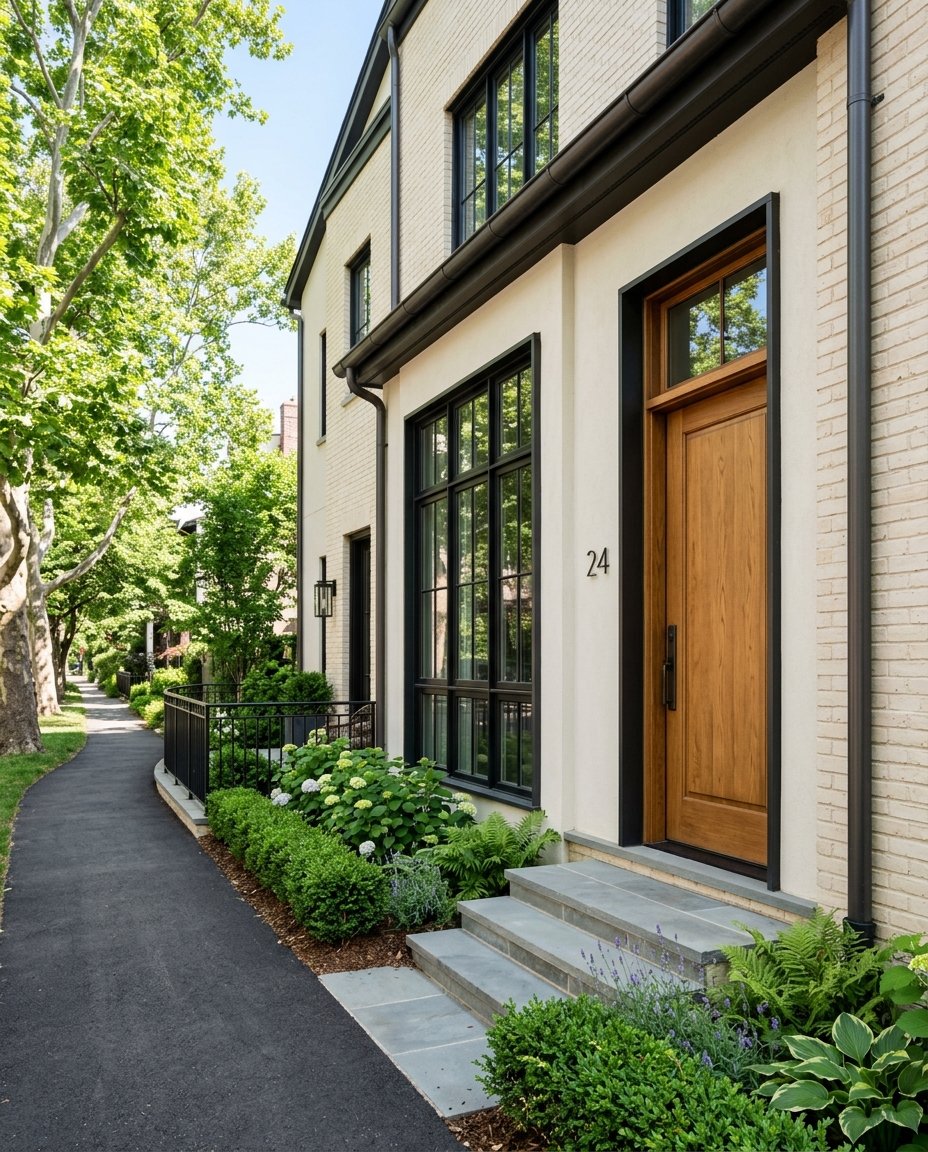
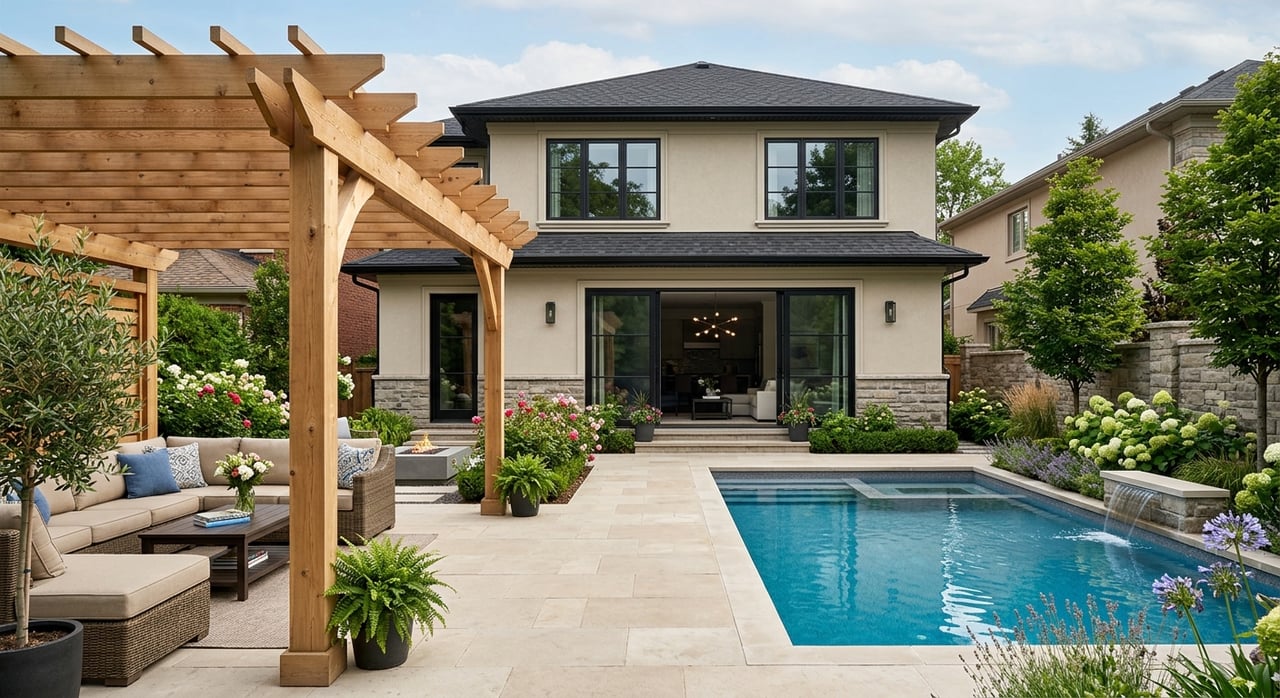
You will see mostly newer construction from the 2000s onward. Product types span modern single-family homes, paired homes and townhomes, plus newer condos and multi-family options. Central Park has a Master Community Association and many builder sub-HOAs, which manage shared amenities and standards (community association details).
Parks and retail
Active outdoor life is a central theme here. You get a signature greenspace often described as an 80-acre Central Park, many pocket parks, miles of trails, several community pools, and the Bluff Lake Nature Center nearby. The neighborhood’s retail is planned into nodes, including the East 29th Avenue Town Center and the larger Shops at Northfield, which offers a broad mix of shopping and dining (Shops at Northfield overview).
Commute snapshot
Central Park has an RTD A Line rail stop at Central Park Station. The A Line runs to Union Station in roughly 13 minutes and to Denver International Airport in about 24 minutes, depending on service time (A Line station overview). You also get quick access to I-70 and I-225 for regional drives.
Park Hill at a glance
What and where
Park Hill is one of Denver’s classic early 20th-century neighborhoods. It sits just west and south of Central Park’s western edge and borders City Park. Many references describe Park Hill’s boundaries as roughly Colfax to the south, Colorado Boulevard to the west, Quebec to the east, and 52nd Avenue to the north (Park Hill neighborhood history).
Housing character
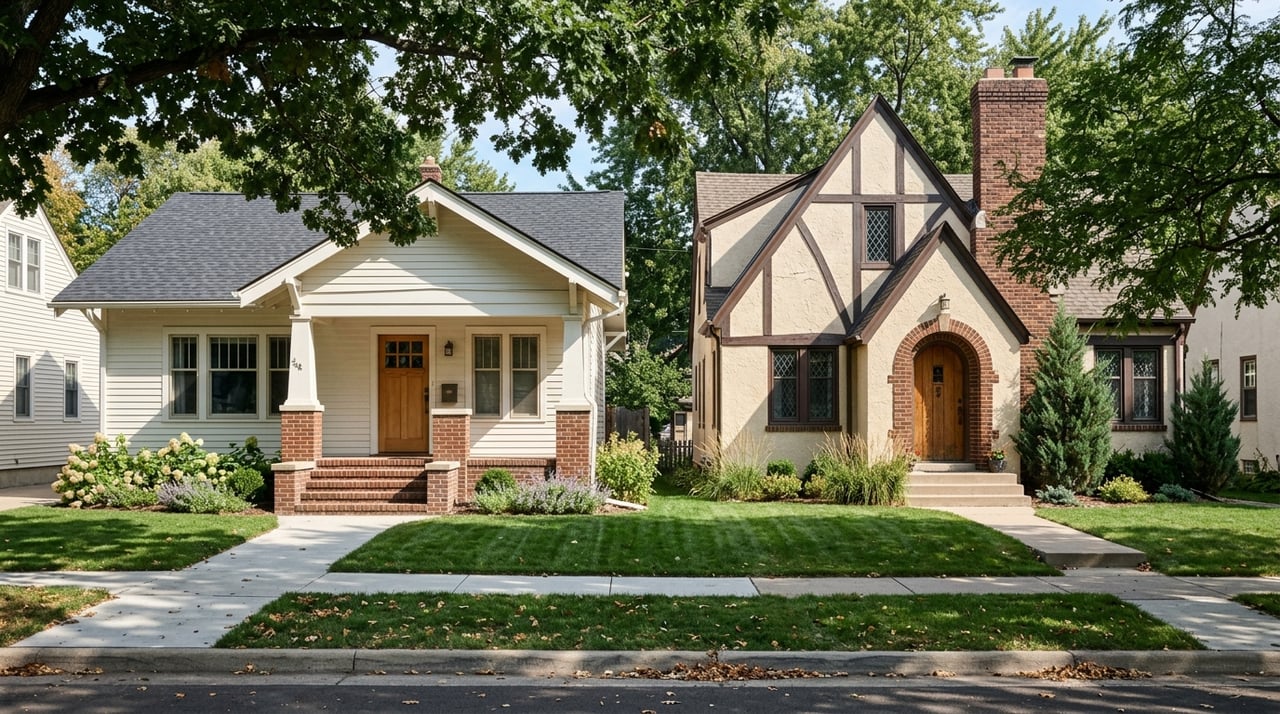
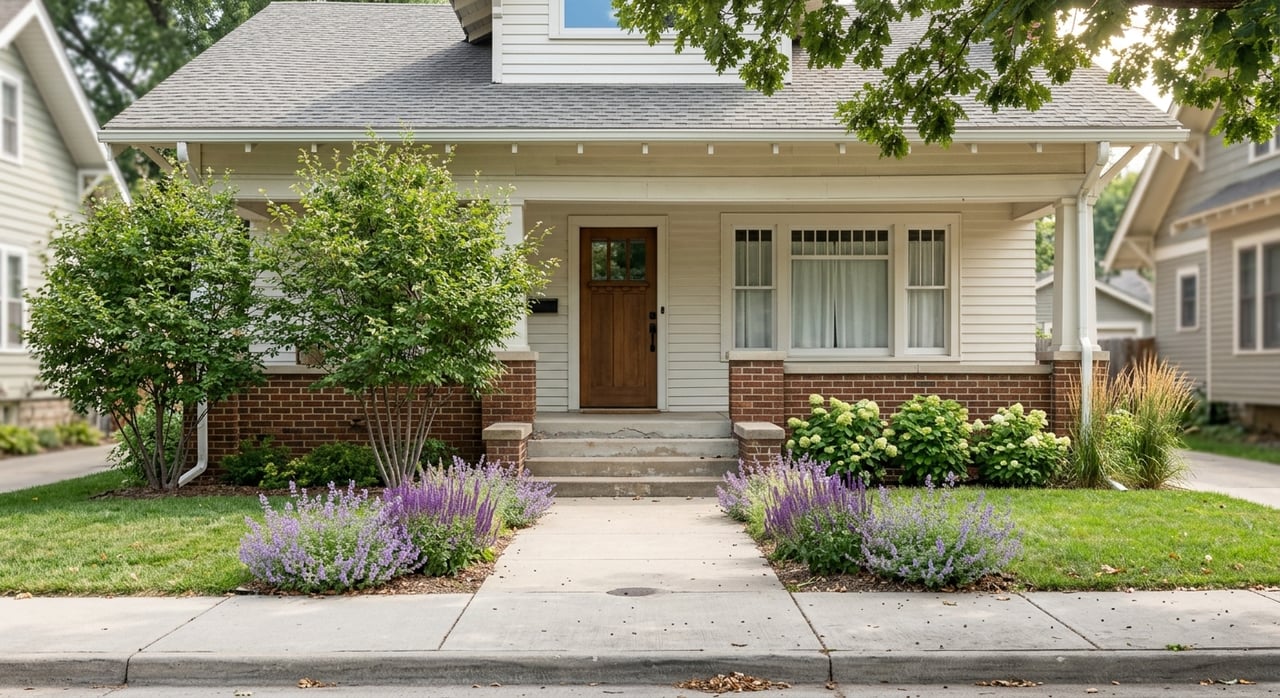
Expect historic bungalows, Denver Squares, Tudors, and mid-century homes on tree-lined blocks. Architecture and lot sizes vary from street to street. Park Hill does not have a master HOA, though you will find active neighborhood organizations and block-level associations in places (Park Hill history guide).
Parks and culture
Park Hill’s crown jewel is its proximity to City Park. Within the park, you have major cultural anchors like the Denver Museum of Nature & Science and the Denver Zoo. If you want weekend walks to the museum, the zoo, or downtown festivals in City Park, many South Park Hill blocks make that easy.
Commute snapshot
Because Park Hill sits closer to downtown, many central-office commutes are a short surface-street drive or bike ride. Multiple RTD bus routes serve the area. If you work in downtown or near City Park, Park Hill often means less time on the road than addresses farther east.
What you get for your budget
Pricing shifts with market conditions, home size, and block-to-block differences. Here is a snapshot to frame your search.
Central Park pricing (as of Dec 2025)
- Redfin shows a median sale price in the mid $700,000s for the Central Park area, with variation by month and sub-neighborhood (Central Park market data, Redfin).
- Townhomes and condos often start in the mid $400,000s to $600,000s depending on age, finish, and location.
- Detached single-family homes commonly list and sell from the mid $700,000s to $1 million-plus, with newer or larger properties at the top of the band.
Park Hill pricing (as of Jan 2026)
- Redfin reported a median sale price of about $677,450 for Park Hill in January 2026. Prices swing higher in certain Park Hill pockets, especially for larger or upgraded historic homes (Park Hill market data, Redfin).
- Entry condos and small houses can trade lower than the median.
- Many 2 to 4 bedroom detached homes land in the mid to high $600,000s and $700,000s, while premium historic homes can exceed $1 million.
Note on data: portals define areas and medians differently. Always check the most recent month before you write an offer, and align your comps with the exact micro-location you are targeting.
Lifestyle tradeoffs to consider
Newer vs historic homes
- Central Park: You get newer systems, open floor plans, and modern finishes. Many listings feel move-in ready.
- Park Hill: You will find character-rich homes with original details. Renovations vary by property, so expect condition to differ from block to block.
HOA structure and amenities
- Central Park: A Master Community Association and sub-HOAs maintain shared amenities and neighborhood standards. Pools and programmed events are a draw (MCA overview).
- Park Hill: Neighborhood groups are active, but there is no master HOA. Enjoy independent homeownership with fewer common-area obligations.
Parks and nature access
- Central Park: Miles of trails, an extensive park network, community pools, and quick access to Bluff Lake Nature Center create an outdoors-forward routine.
- Park Hill: City Park is a regional destination for picnics, runs, and museum days. Tree-lined residential streets make daily walks feel relaxed and scenic.
Retail and dining
- Central Park: Defined retail nodes make errands convenient. East 29th Avenue Town Center and the Shops at Northfield offer a mix of local and national options (Northfield details).
- Park Hill: Smaller commercial strips and independent businesses give the area a classic neighborhood feel. Expect coffee shops, eateries, and services spread along corridors.
Commute patterns
- Downtown jobs: Park Hill’s closer-in location often wins for quick drives or bike rides to central offices.
- Airport and Anschutz access: Central Park’s A Line station streamlines downtown and DIA trips, and its east-side location can simplify drives to the Anschutz Medical Campus.
Schools and family resources
- Both neighborhoods offer access to public and charter options. Central Park was planned with family amenities and a mix of district and charter schools, while Park Hill has long-established public schools and active parent organizations. For any address, verify DPS boundaries and current enrollment details. For a sense of the school network around Central Park, see this overview from CPEdNews.
How to choose your Denver base
Choose Central Park if you want
- Newer homes with modern floor plans and energy-efficient systems.
- A community framework with pools, programmed events, and miles of trails.
- A commuter rail option to downtown plus direct access to DIA.
- Larger retail centers for easy weekly errands.
Choose Park Hill if you want
- Architectural character, mature street trees, and established blocks.
- Shorter surface-street commutes to downtown and City Park.
- A neighborhood vibe with independent retail and civic groups.
- Walk or bike access to the Denver Museum of Nature & Science and the Denver Zoo.
A simple weekend field test
- Central Park: Visit the East 29th Avenue Town Center for coffee, walk a loop through the main Central Park, then drive by the Central Park Station to gauge train convenience.
- Park Hill: Stroll City Park in the morning, swing by the Denver Museum of Nature & Science or Denver Zoo, and explore a few neighborhood commercial pockets. Notice block-by-block architecture and tree canopy as you go.
Next steps
Your best choice comes down to daily life priorities. If a modern home, structured amenities, and rail access matter most, Central Park will feel like home. If historic charm, mature streets, and quick trips to City Park and downtown are your drivers, Park Hill may be your place. When you are ready to compare blocks, pricing, and likely appreciation paths, get local guidance that blends market data with real neighborhood insight. Connect with Katie Knop for a tailored plan that fits your budget, commute, and lifestyle.
FAQs
Is Central Park the same as Stapleton?
- Yes. The neighborhood formerly known as Stapleton officially changed its name to Central Park in 2020 after local votes and board approvals, as covered by Denverite.
What are current median home prices in Central Park and Park Hill?
- As of Dec 2025, Central Park’s median sale price sits in the mid $700,000s (Redfin Central Park data). As of Jan 2026, Park Hill’s median was about $677,450 (Redfin Park Hill data). Always verify the latest month.
How do downtown commutes compare between the neighborhoods?
- Park Hill is closer to downtown for many surface-street commutes. Central Park offers the A Line from Central Park Station with train times around 13 minutes to Union Station, which can be a reliable option depending on your exact address and schedule (A Line overview).
Are there HOAs or extra fees in Central Park and Park Hill?
- Central Park has a Master Community Association and sub-HOAs that fund amenities and maintain standards. Park Hill typically does not have a master HOA, though some infill or small subdivisions may have limited associations (community association details).
What should I know about schools in Central Park and Park Hill?
- Both areas have public and charter options, and families are active in school communities. Boundaries and enrollment shift, so confirm DPS maps and timelines. For Central Park’s broader school network context, see CPEdNews.
Which neighborhood is better for access to the Anschutz Medical Campus?
- Central Park often provides a shorter or more direct drive due to its east-side location and highway access. Park Hill is also workable, but verify drive times from the specific block you are considering.