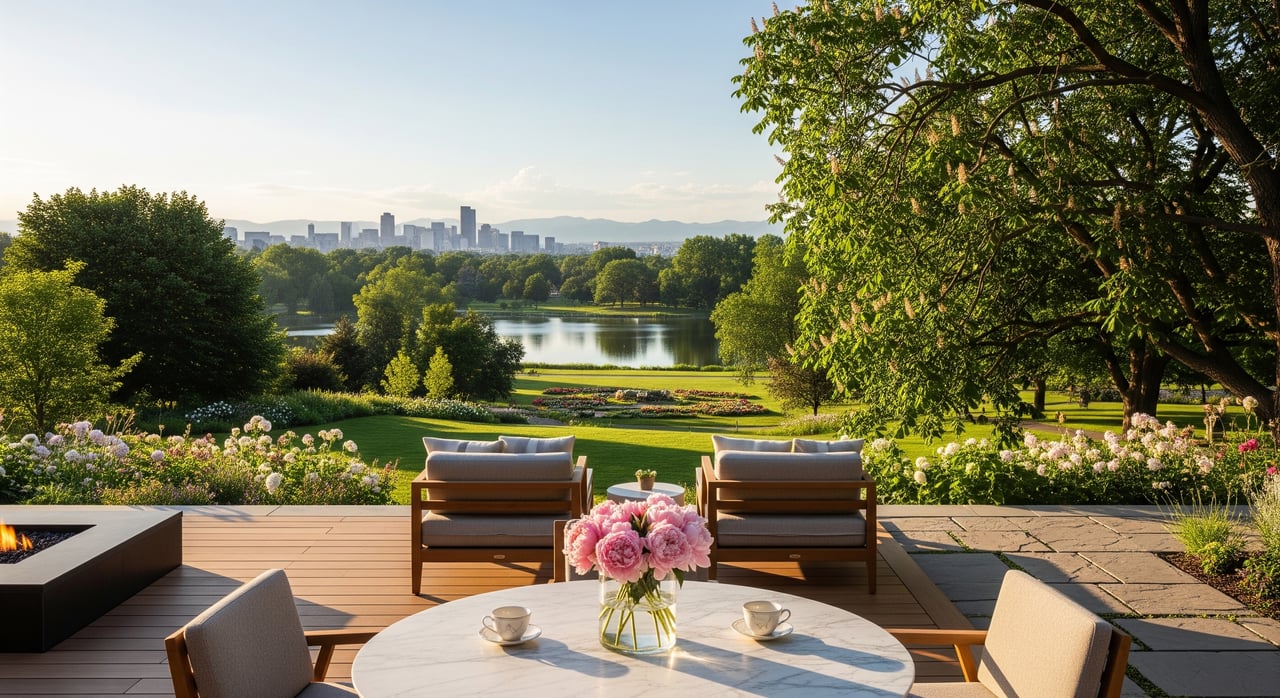
Picture waking up to tree-lined streets, a quiet morning loop around a grand urban park, and coffee from a neighborhood spot on your way home. If you’re exploring Denver and want an active, residential feel without the downtown buzz, Washington Park might be on your shortlist. In this guide, you’ll learn what day-to-day life looks like here, from park routines to errands, homes, and getting around. Let’s dive in.
Why Wash Park feels like home
Washington Park, often called Wash Park, is a long-established Denver neighborhood built around its namesake park. You’ll notice mature landscaping, classic architecture, and a steady rhythm of people out walking, running, and biking. The vibe is calm yet active, with most daily life centering on the park and nearby commercial streets. If you value outdoor access, neighborhood-scale amenities, and a residential feel, this area aligns well.
The park as your daily hub
For many residents, the park sets the routine. Mornings and evenings bring steady foot and bike traffic as people loop the paths, walk dogs, and join small fitness groups. Weekends often mean picnics, playground time, and casual meetups under the trees. Usage peaks in spring through fall, and winter sees bundled-up walks and snow play when conditions allow.
You’ll typically find multi-use paths, garden areas, open fields, courts, and lakes or ponds in large city parks like this one. Specific facilities and rules can change, so it’s best to check with Denver Parks & Recreation or the Washington Park conservancy group for current details on hours, permitted activities, and event guidelines. If you plan gatherings or classes, confirm permitting procedures ahead of time.
Errands, eats, and coffee
Daily life here runs on a mix of local cafes, casual restaurants, and specialty shops on nearby commercial corridors. Many residents have a go-to coffee order, a weekend brunch favorite, and a couple of dinner spots where the staff recognizes them. You’ll see a blend of independent businesses and familiar neighborhood chains at an upper-mid price point.
For full grocery runs and larger errands, you’ll likely travel a short distance to adjacent districts and shopping centers. Most households build a convenient circuit that includes a grocer, wine shop, pharmacy, and personal services like salons or dry cleaning. The result is a routine that keeps most of your needs within a short drive or bike ride.
Fitness, sports, and leisure
Staying active is easy. You can mix solo runs around the park with yoga or pilates at local studios and occasional drop-in sports leagues that use park fields and courts. The area’s community groups and conservancy partners often host volunteer cleanups, seasonal gatherings, and fundraising events. If you prefer a low-key pace, a simple walk at dusk delivers the neighborhood’s signature calm.
Healthcare needs are covered by nearby clinics and dental offices, and larger hospital systems are accessible across the city. Many residents appreciate being close to routine care without needing to travel far.
Schools and child care
Households often look to Denver Public Schools for neighborhood elementary, middle, and high school options, along with private or charter choices. Enrollment boundaries can change. If schools matter in your search, use the district’s current boundary and enrollment tools to verify assignments and availability.
Child care and preschool options tend to cluster near residential pockets and commercial streets. As with most popular areas, it helps to start your search early and ask about waitlists and schedules that align with your commuting routine.
Homes and architecture
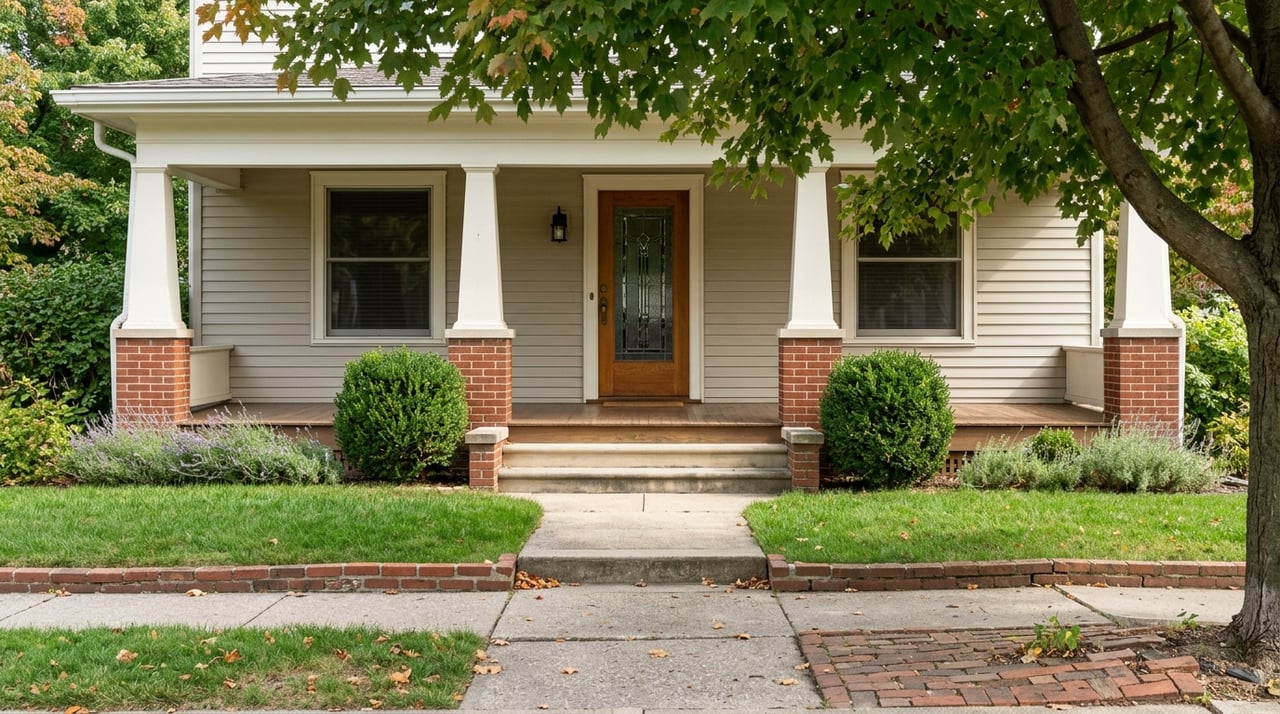
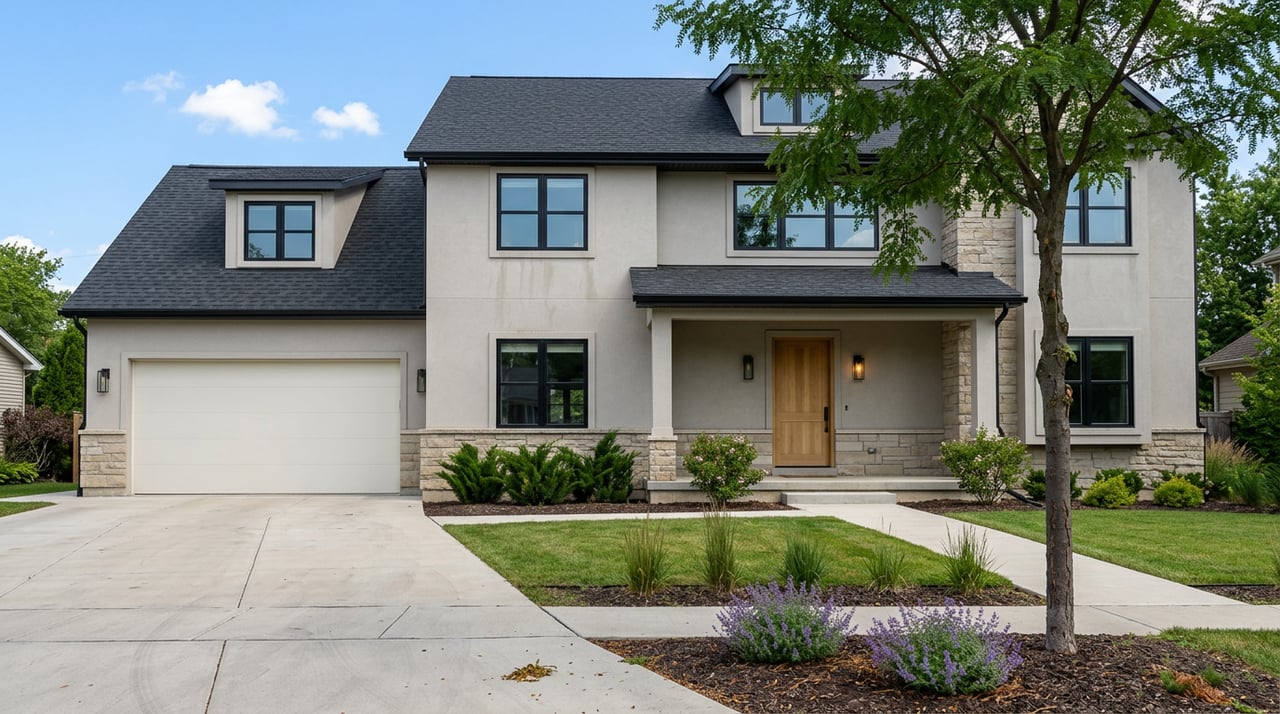
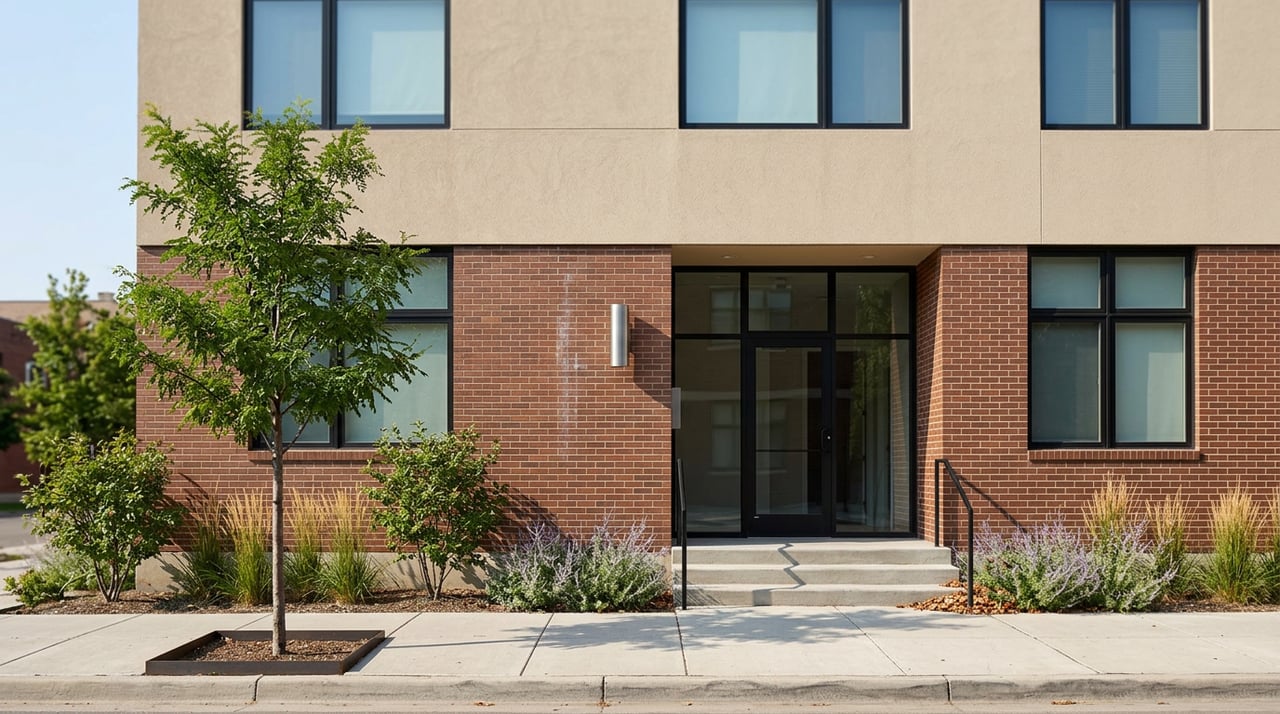
The housing mix leans heavily toward single-family homes, with a rich collection of historic styles. You’ll see bungalows, Denver Squares, Tudor revivals, and Craftsman homes along tree-lined blocks. In recent years, small-scale infill has added townhomes and some condominiums, especially near commercial corridors.
Older homes can come with character and maintenance considerations. Roofs, foundations, and exterior restoration may require attention over time, especially if you prefer historically sensitive updates. If you’re considering a condo or townhome, factor in potential HOA fees and rules. Zoning and historic preservation guidelines may apply in parts of the neighborhood, so it pays to review city planning and historic registry details before major exterior changes.
Cost of living and market feel
Wash Park typically carries a price premium compared to the city overall. Park proximity, centrality, and limited inventory contribute to demand. Entry-level price points can be less common than in other Denver neighborhoods, and desirable rentals may move quickly.
Trends can shift with seasonality and new construction. It’s smart to watch for differences between resale single-family homes and newer infill options. If you want the most current numbers on prices, days on market, and inventory, consult recent MLS-backed reports and plan for a strategy that matches your timeline and budget.
Getting around
Walkability is a core strength. Within the neighborhood, you can cover most daily trips on foot or by bike. The park’s loops and area bike lanes make cycling a natural choice for exercise and short errands.
Public transit service includes RTD bus routes, and light rail access may be a short distance away depending on your exact address. Schedules and frequency vary, so plan your commute with current route information. Many residents blend driving, biking, and transit based on destination and time of day.
Driving to central Denver is usually straightforward, with connections to major arterials and I-25 nearby. Rush-hour traffic and east-west bottlenecks can add time, so it helps to test-drive your commute during your typical travel window. Street parking is common on residential blocks, and some homes include garages or off-street parking. In certain areas, you may encounter residential permits or posted restrictions.
Community and culture
You’ll feel a strong sense of community rooted in the park and neighborhood associations. Volunteer days, cleanups, and small festivals reinforce a habit of pitching in and showing up. Weeknights often mean relaxed strolls and neighborly chats, while weekends bring more activity on the paths and fields.
For bigger nights out, most people head to nearby districts or downtown for theaters, music venues, and late-night options. Wash Park itself leans toward early evening routines and quieter streets after dark.
Seasonal rhythm
Denver’s sunny days, cold snaps, and occasional snow shape how you use the park and travel around the city. Spring and fall may be the sweet spot for outdoor time. Summer brings festivals, fuller paths, and more evening activity. Winter shifts routines to bundled walks and indoor workouts.
After heavier storms, plan for snow removal timing on streets and sidewalks, which can affect morning routines. Some park amenities are seasonal, so check postings and official updates for closures or maintenance schedules.
Is Wash Park a fit for you
Consider how the neighborhood’s strengths align with your priorities. If you love daily access to a signature city park, mature tree canopy, and the comfort of residential streets with nearby cafes, this area delivers. If you want late-night entertainment within a few blocks or lower housing costs, you may prefer other Denver neighborhoods.
A quick way to decide is to live a test day. Start with a morning loop around the park, grab coffee, scout a lunch spot, and try your commute during peak time. You’ll learn a lot about whether the rhythm matches your lifestyle.
How we help you buy or sell here
Buying in a high-demand neighborhood calls for preparation, clear pricing insight, and steady negotiation. If you’re selling, the right presentation matters. Elevated photography, clean staging, and lifestyle-forward marketing can amplify everything buyers love about Wash Park living. When you’re ready, let’s talk strategy, timing, and the specifics that move the needle for your home search or sale.
If you’re exploring a move in or around Washington Park, reach out to Katie Knop for neighborhood coaching, pricing guidance, and a plan that aligns with your goals. You can also request a free home valuation to understand your options.
FAQs
What is daily life like in Washington Park, Denver
- Expect an active, residential routine centered on the park, with morning and evening loops, neighborhood cafes for errands and meals, and quiet streets after dark.
How walkable and bike-friendly is Wash Park
- Very; you can handle many errands on foot or by bike, and the park’s loops plus area bike lanes make cycling a practical choice for exercise and short trips.
What types of homes are common in Washington Park
- You’ll find historic single-family homes such as bungalows, Denver Squares, Tudor revivals, and Craftsman styles, plus newer infill townhomes and some condos.
Is Washington Park close to downtown Denver for commuting
- Yes; many residents have short commutes by car or bike, though travel times depend on your start point, route, rush-hour traffic, and transit schedules.
How does the cost of living compare in Wash Park
- The neighborhood typically trades at a premium versus the city average due to park access, central location, and limited inventory that supports demand.
What should I know about schools and enrollment near Washington Park
- Families use Denver Public Schools and private or charter options; always verify current boundaries, assignments, and capacity with the district before making decisions.
Are there rules or permits for using Washington Park amenities
- Yes; confirm current rules, hours, and event or class permits with Denver Parks & Recreation or the park’s conservancy to ensure your plans align with posted guidelines.