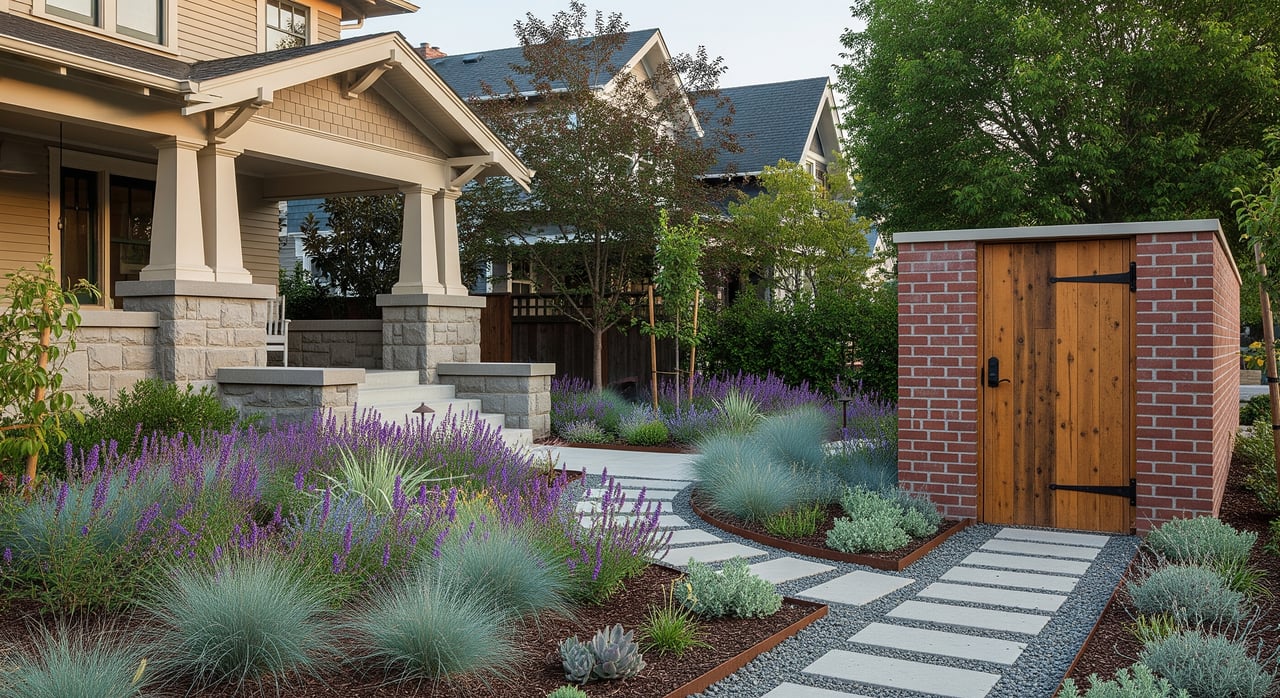
Wondering how to make your Wash Park home pop before you hit the market? On these leafy, walkable blocks, buyers judge fast from listing photos and curbside feel. You want your trees, porch, and alley-facing garage to say cared for and move-in ready. In this guide, you’ll learn quick wins for trees, xeriscape, and alley doors, plus a simple weekend plan to get photo-ready. Let’s dive in.
Street trees: rules and quick wins
Street trees help define Washington Park’s charm. They also come with responsibilities. The strip between the sidewalk and curb is often the public right-of-way where parkway trees live. Ownership and maintenance can be split, so you should confirm who manages each tree before you touch it.
- Call Denver Urban Forestry first to identify public vs. private trees, pruning rules, and whether a permit is needed.
- If your home is a designated landmark or in a historic district, check with the local preservation office before major removals or big visual changes.
Pruning basics for showings
Your goal is clear sightlines and healthy structure. Typical clearance standards are about 8 feet over sidewalks and about 14 feet over streets. Never top a tree. Use selective cuts instead to preserve shape and health.
- Best timing for most deciduous trees is late winter to early spring before leaf-out. Avoid major pruning during active bird nesting.
- Hire an ISA-certified arborist for large trees or any work that could affect structure. They can guide small, photo-friendly trims without harming the canopy.
- If roots, removal, or a city-owned tree are involved, expect permits or city crew coordination.
Xeriscape that fits Wash Park
Water-wise landscaping makes sense in Denver’s semi-arid climate. It reduces maintenance, looks great in late summer, and often appeals to local buyers. Done well, it complements the historic feel and keeps the porch and walkways the star.
Design for impact and low water
- Group plants by similar water needs to keep care simple and growth even.
- Improve soil and top with 2–3 inches of mulch. A crisp bed edge and contrasting mulch read as neat in photos.
- Use drip or micro-spray irrigation in beds and a smart controller for any remaining turf.
- Keep sightlines open to the front door and porch. Avoid tall shrubs that block entries.
Plant palette that shows well
Choose regionally appropriate, drought-tolerant plants sized for urban lots.
- Perennials: penstemon, coneflower (Echinacea), blanketflower (Gaillardia), Russian sage, salvia, sedum, yarrow.
- Grasses: blue grama, little bluestem, and select feather grasses for contrast.
- Shrubs and accents: serviceberry, ninebark, native spirea varieties, rabbitbrush for sunny, dry spots.
- Groundcovers: low-growing sedums and thyme near paths and porches.
Simple photo-forward cues
- Edge beds cleanly and refresh mulch for a tidy look.
- Add one or two seasonal containers by the porch or alley door.
- Keep a clear path to the front door and prune plants that crowd steps or railings.
Alley-facing doors and alleys
Buyers in Wash Park often walk the block before or after a showing. A clean, coordinated alley face and garage door help your home feel cared for.
Materials, color, and details
- Materials that read well: painted or stained steel, insulated modern panels, or carriage-style composite/wood-look for period charm.
- Choose a neutral door color that complements the home. Avoid very dark colors that photograph as a void.
- Upgrade small details: fresh trim paint, new handles or hinges, and a modest wall sconce or motion light.
Permits and maintenance
Cosmetic swaps like painting, hardware changes, or a door slab replacement typically do not require a major permit. Structural changes to openings, headers, or new hardwired lighting may need permits. If in doubt, check with the City of Denver before you start.
Alley staging for show days
- Remove bikes, bins, and storage from view.
- Power-wash the door and surrounding masonry; clear gutters and downspouts.
- Add a potted plant and ensure lighting works for early evening showings.
Your weekend-to-market plan
These quick, high-impact steps help your photos and first impressions in 48–72 hours.
Pre-weekend checks
- Confirm any street tree status with Denver Urban Forestry before pruning.
- If garage updates are cosmetic, you can proceed. For structural changes or new hardwired lighting, consult the City of Denver on permits.
Day 0: Supplies and scheduling
- Buy mulch, seasonal container plants, porch decor, paint, and hardware.
- If needed, schedule a landscaper, painter, or arborist for early Day 1.
Day 1: Curb and yard refresh
Morning
- Remove litter, sweep sidewalks, and power-wash the porch and walkway.
- Mow and edge any turf. Lightly prune dead or overhanging branches that block the door.
- Store toys, gear, and bikes out of sight.
Afternoon
- Apply fresh mulch to beds for a fast visual upgrade.
- Plant 3–6 seasonal containers near the porch and alley door.
- Trim low branches to open views to the front door. Do not prune city-owned trees yourself.
- Clean the garage door and remove cobwebs.
Evening
- Install warm porch bulbs around 2700–3000K for inviting light.
- Stage the porch with a bench, new doormat, and modest seasonal decor.
Day 2: Finishing touches and photos
Morning
- Paint or refinish the alley or garage door if needed. Pick a neutral that complements the home.
- Replace or polish hardware and add new house numbers if they are worn.
- Move cars off the street and driveway for photos.
Afternoon
- Final tidy: prune stray branches that cast heavy shadows, hose off windows, sweep again.
- Take photos in soft light early morning or late afternoon to highlight trees and the porch.
Budget guide for quick wins
- Mulch and install: about $50–$400 depending on bed size.
- Seasonal containers and plants: about $75–$400.
- DIY garage door paint: about $50–$200. Pro paint: about $300–$800.
- New door hardware: about $50–$300.
- Basic front yard cleanup by a service: about $150–$400.
- New insulated garage door: about $1,000–$4,500+. This is not a typical weekend DIY.
Common mistakes to avoid
- Over-pruning or topping trees. Stick to selective cuts or call an arborist.
- Blocking the porch with tall shrubs or oversized planters. Keep the entry visible.
- Choosing very dark garage door colors that look like a black box in photos.
- Leaving bins, bikes, and tools in the alley. Store them before showings.
Ready to sell in Wash Park?
A polished exterior helps buyers feel the block and the lifestyle, not just the square footage. If you want a simple, high-ROI plan tailored to your address, let’s talk about your timing, budget, and the small upgrades that will matter most. Home A Mile High pairs neighborhood expertise with studio-level marketing to help you launch with confidence. Get a free home valuation to start the plan.
FAQs
Who trims street trees in Washington Park?
- First confirm ownership. City-owned street trees are managed by Denver Urban Forestry, while private trees on your lot are your responsibility. Do not prune city trees yourself.
Do I need a permit to change an alley garage door?
- Cosmetic door replacements or painting typically do not need a structural permit. Changes to openings, headers, or new hardwired lighting may require permits. Check with the City of Denver.
When should I prune trees before listing?
- Late winter to early spring is generally best for most deciduous trees. Avoid major pruning during active nesting. Hire an ISA-certified arborist for large trees.
Will removing turf hurt resale in Wash Park?
- Done thoughtfully, replacing turf with attractive xeric beds or quality hardscape can appeal to buyers. Many still like some green lawn for warmth, so keep scale appropriate.
What xeriscape plants are safe bets for Denver?
- Consider penstemon, coneflower, blanketflower, Russian sage, salvia, sedum, yarrow, blue grama, little bluestem, serviceberry, ninebark, native spirea, and rabbitbrush.