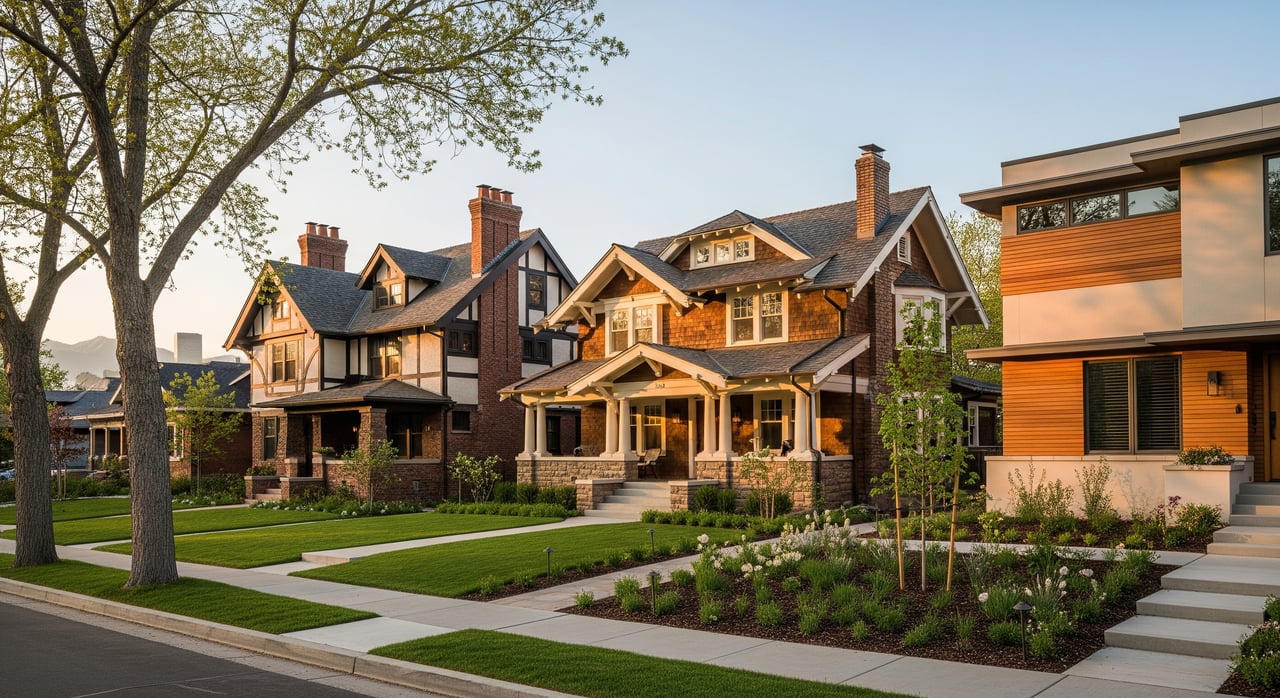
Buying in Washington Park and keep seeing “bungalow,” “Tudor,” or “mid‑century” in listing remarks? If you love the tree‑lined streets and front‑porch vibe but feel unsure about what each style means for daily living and renovation, you are not alone. In a few minutes, you will be able to spot the big three Wash Park styles from listing photos, understand common tradeoffs, and set smart saved searches that surface the right homes first. Let’s dive in.
Washington Park styles at a glance
Washington Park and nearby central Denver neighborhoods grew rapidly in the early 1900s through the 1930s. That is why you see so many bungalows and Tudors on compact urban lots with welcoming porches and sidewalk‑friendly setbacks. Mid‑century homes show up in later infill and in nearby areas that developed in the 1940s through the 1960s.
Parts of central Denver include local historic districts and landmark properties. Exterior changes, additions, or demolition can trigger city review. Before you plan a renovation, verify status with the City and County of Denver and review permitting requirements. For deeper background on architectural eras, the National Park Service and History Colorado offer helpful context.
Spot the style from listing photos
Use these quick visual cues when you scan photos and drive by.
Bungalow
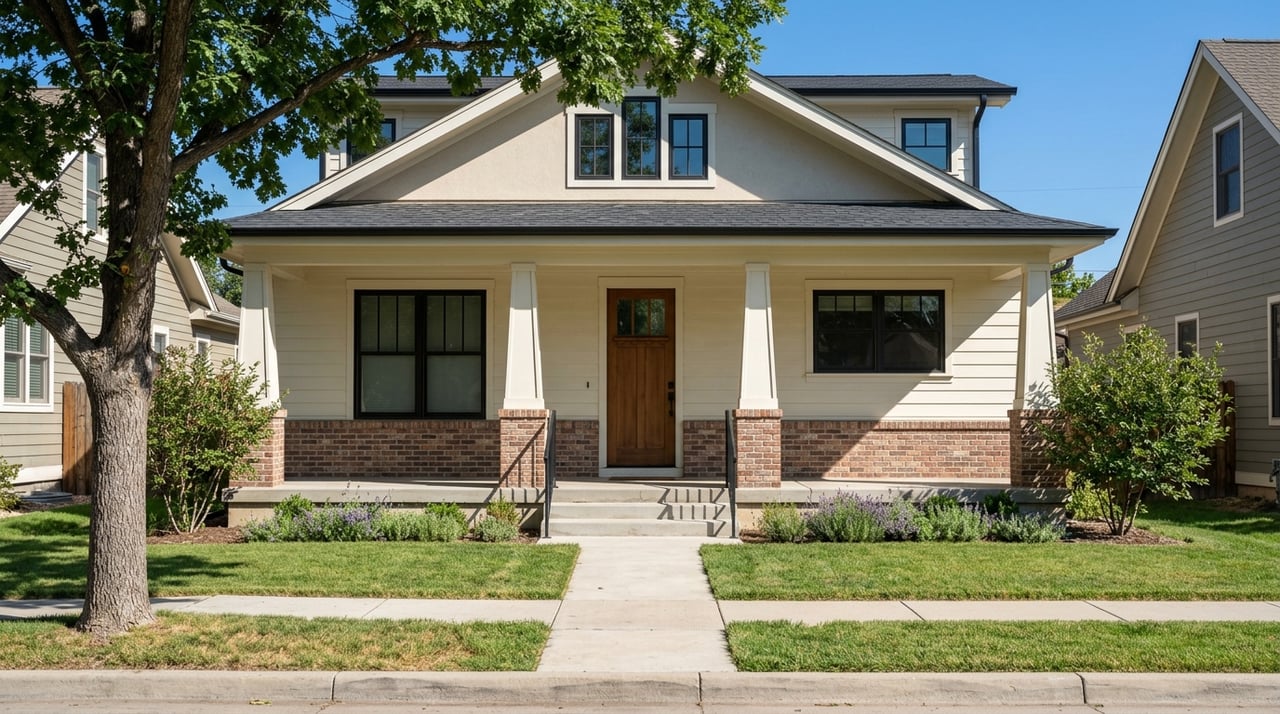
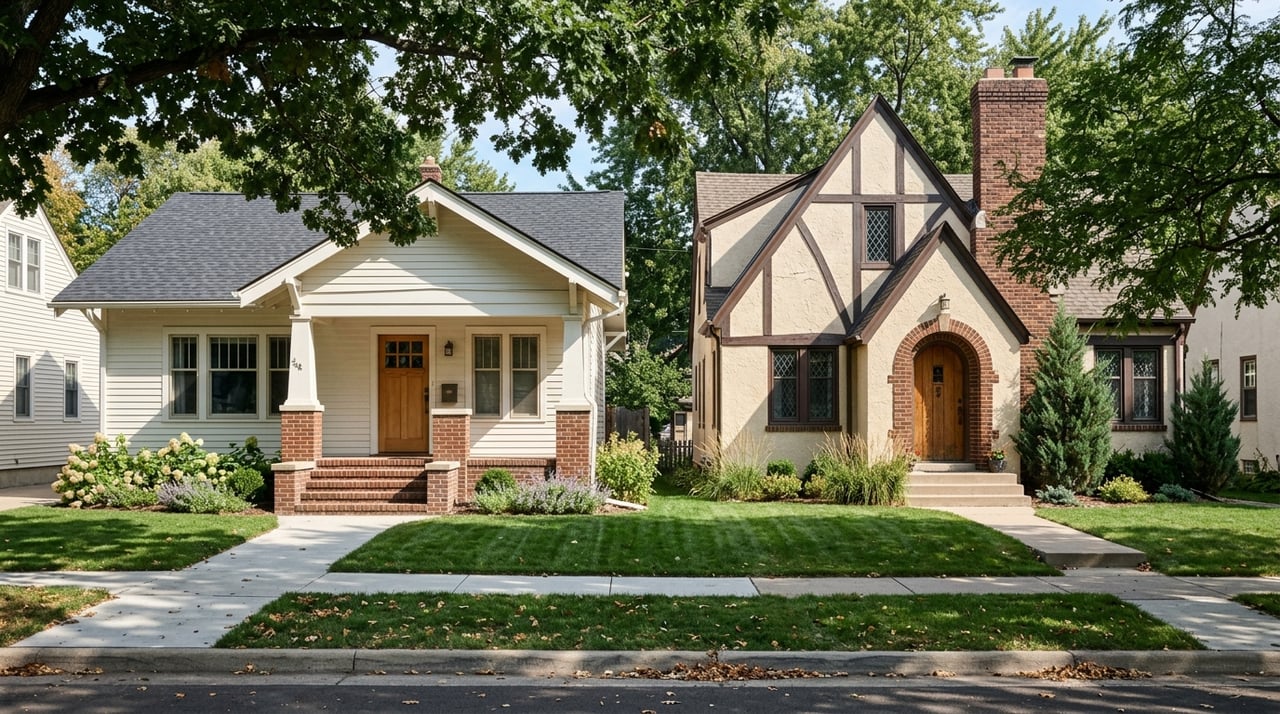
- Low‑pitched gabled roof, wide eaves, and exposed rafter tails.
- A deep, street‑facing front porch with chunky tapered or square piers on brick or stone bases.
- One to one‑and‑a‑half stories, often with brick or wood cladding.
Inside, look for hardwood floors, a central living room with a fireplace, and built‑in cabinetry. Rooms often feel cozy and efficient rather than open.
Tudor Revival
- Steep, front‑facing gables and asymmetrical facades.
- Decorative half‑timbering over stucco, tall narrow windows in groups, and a prominent chimney.
- Arched entry details and brick or stone accents around the door.
Interiors tend to be more compartmentalized. You will often see plaster walls, wood trim, and storybook nooks.
Mid‑century
- Low or flat rooflines, long horizontal emphasis, and large picture windows.
- Minimal exterior ornament, sometimes with an attached garage and bigger rear yard.
- Ranch and split‑level variants from the 1950s and 1960s appear in nearby blocks and infill sites.
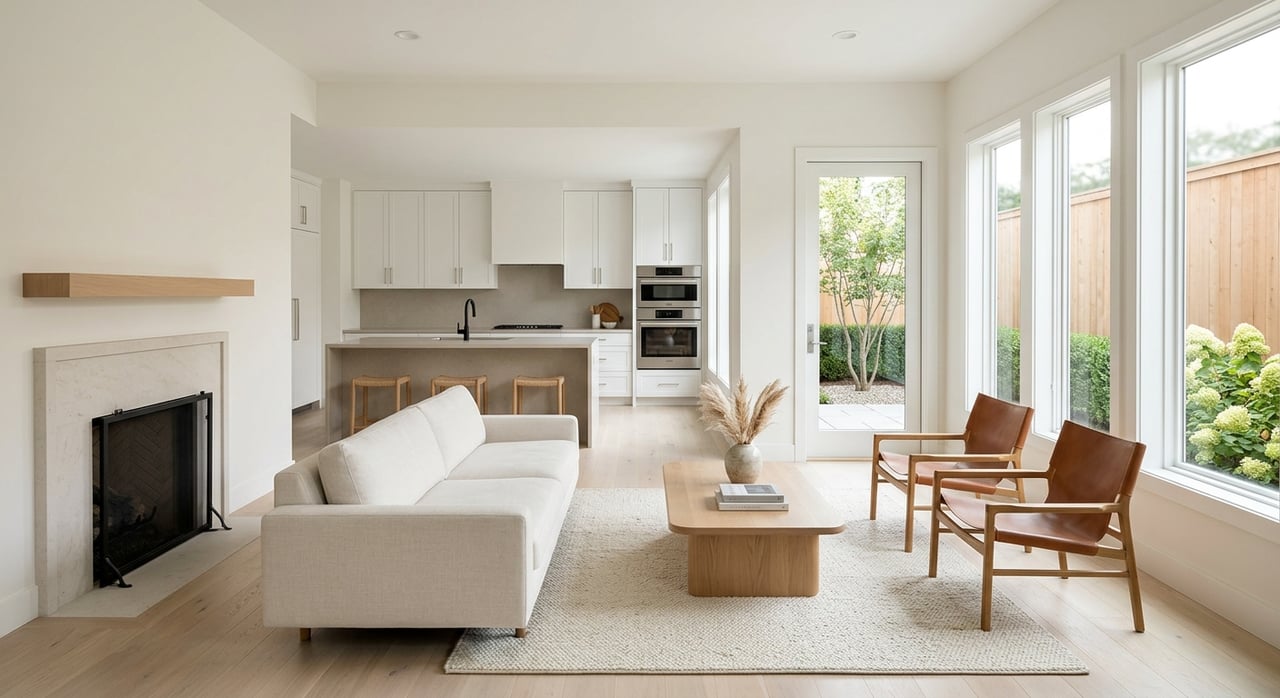
Inside, expect more open or flowing layouts and an intentional indoor‑outdoor connection.
Pros and cons by style
Bungalow: charm and practicality
Pros
- Architectural character and great porch life.
- Manageable footprint for many buyers.
- Strong curb appeal that fits Wash Park’s streetscape.
Cons
- Smaller, more compartmentalized rooms in original layouts.
- May need kitchen or bath enlargement, plus insulation and mechanical upgrades.
- Pre‑1978 homes carry lead‑based paint risk and may contain asbestos in certain materials.
Tudor: storybook presence
Pros
- Distinctive curb appeal and solid masonry or stucco construction.
- Character features like fireplaces, woodwork, and arched entries.
Cons
- Steep, complex roofs can be costlier to maintain.
- Stucco requires specialized repair methods, and irregular window shapes can raise replacement costs.
Mid‑century: light and flow
Pros
- Open layouts, larger windows, and daylit interiors.
- Room sizes often feel more contemporary than early 20th‑century homes.
Cons
- Original single‑pane windows and limited insulation are common.
- Flat or low‑slope roofs need careful drainage and regular attention.
Renovation and inspection tips
When you evaluate any period home, plan for the essentials first.
Structure and exterior
- Check the foundation for settling, cracks, and moisture. Older homes may have brick or early concrete foundations, while some mid‑century homes have slab or shallow foundations.
- Match the roof to the style. Tudors often have steep, multi‑gable roofs. Mid‑century homes may have low‑slope roofs that require diligent drainage maintenance.
- Respect the exterior material. Historic stucco, brick, and wood siding each need correct repair methods. Past improper fixes can hide damage.
Systems and safety
- Electrical: Pre‑1950s homes may include knob‑and‑tube or early cloth‑insulated wiring that should be replaced. Confirm panel capacity for modern loads.
- Plumbing and HVAC: Cast‑iron or galvanized piping and older furnaces are common. Budget for updates during remodels.
- Health hazards: Homes built before 1978 can contain lead‑based paint. Review the EPA’s lead guidance and use lead‑safe practices. Asbestos may be present in some older materials, so testing and professional abatement are recommended if disturbed.
Comfort and energy
- Many period homes benefit from air sealing, insulation, and window strategies. Explore the Energy Saver guidance for retrofit basics that can boost comfort and cut operating costs.
- Window decisions matter. Restoring original windows can preserve character and may be required in designated areas, while replacements can improve performance if proportioned correctly.
For style‑specific quirks, the National Trust for Historic Preservation and practical guides on Old House Online offer helpful how‑tos.
Historic areas and permits
Some central Denver blocks include local historic districts or landmarked properties. Exterior changes, additions, and demolitions in those areas may require design review in addition to standard permits. Start by confirming status with the City and County of Denver. Local nonprofits like Historic Denver and statewide resources at History Colorado can help you understand neighborhood context before you buy or renovate.
Set smarter saved searches
Dial in your search so the right homes find you.
- Location: Select “Washington Park” and nearby central Denver neighborhoods, or draw a custom polygon to capture specific blocks you love.
- Year built: Use ranges to surface style eras. Try pre‑1940 for bungalows and Tudors, and 1945 to 1975 for mid‑century options.
- Property type: Start with single‑family. Add condo or townhome only if you are open to those types.
- Keywords: Add “bungalow,” “craftsman,” “Tudor,” “half timber,” “mid‑century,” “modern,” “original woodwork,” and “period details.” Most portals search listing remarks.
- Photo quality: Require a strong photo set so you can read rooflines, porches, chimneys, and window patterns.
- Alerts: Set “just listed” and “price reduced” alerts. Tune price and bed/bath filters to avoid noise.
When a listing deserves a showing
Ask for a tour when you see these clues.
- Clear exterior shots that confirm roofline and porch or gable details.
- Interior photos showing fireplaces, built‑ins, original trim, and the kitchen layout.
- Remarks that call out systems updates, period features, or a historic‑district address.
Next steps
Choosing between bungalow charm, Tudor presence, and mid‑century light is as much about daily life as it is about architecture. If you want help aligning style with budget, renovation plans, and the right blocks in Washington Park, reach out. With deep neighborhood expertise and design‑forward marketing, Katie Knop can set up a custom search, flag the best new listings, and guide you through inspections and permits with confidence.
FAQs
What defines a Washington Park bungalow and how can I spot one?
- Look for a low‑pitched gabled roof, deep front porch with thick brick or stone‑based piers, exposed rafters, and a one to one‑and‑a‑half story profile; inside you should see a central living room, fireplace, and built‑ins.
Are Washington Park homes in historic districts and how do I check?
- Portions of central Denver have local historic districts and landmarks, so verify a specific address and permit rules with the City and County of Denver before planning exterior work.
What are common renovation priorities for Tudor homes in Denver?
- Focus on roof condition and geometry, chimney integrity, and stucco maintenance, and hire contractors who understand half‑timber detailing and correct stucco repair methods.
How can I improve comfort in a mid‑century home without losing character?
- Upgrade insulation and air sealing, plan proportionally correct window strategies, modernize HVAC, and maintain flat or low‑slope roof drainage; see Energy Saver guidance for retrofit basics.
What inspections should I order for period homes around Wash Park?
- In addition to a general home inspection, consider specialists for roofing, chimneys, and foundations, and check electrical, plumbing, and HVAC systems; evaluate for lead and potential asbestos if materials will be disturbed using EPA guidance.
How do I set a saved search to find these styles faster?
- Use neighborhood or map polygons, filter by year built ranges that match each style, add keywords like “bungalow,” “Tudor,” and “mid‑century,” require strong photos, and enable new and price‑change alerts.