If you are torn between a charming bungalow and a storybook Tudor in Washington Park, you are not alone. In this part of Denver, both styles show up in some of the neighborhood’s most appealing blocks, and each offers a very different living experience. The good news is that once you understand how layout, upkeep, character, and price tend to differ, the choice gets much clearer. Let’s dive in.
Why this choice matters in Wash Park
Washington Park is one of Denver’s most park-centered neighborhoods, known for its two lakes, large meadow, tree-lined paths, formal flower gardens, and active outdoor culture. Many buyers are drawn here not just for the homes, but for the routine the neighborhood supports, from walking and biking to paddle boating, tennis, and easy access to South Pearl Street and Historic South Gaylord.
That lifestyle backdrop makes architecture matter even more. In March 2026, the median sale price in Washington Park was $1.475 million, with a median 15 days on market. In a market like that, you are often weighing more than location alone. You are also comparing original character, renovation needs, and how a home’s floor plan fits your daily life.
What defines a bungalow
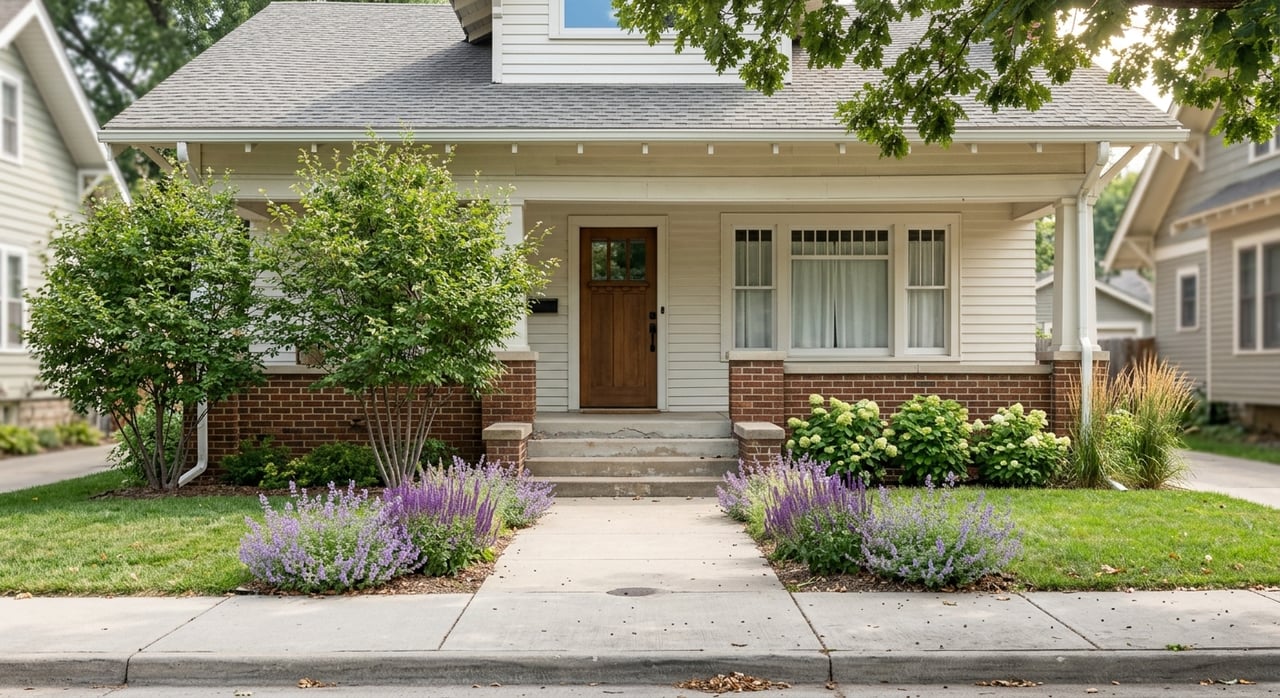
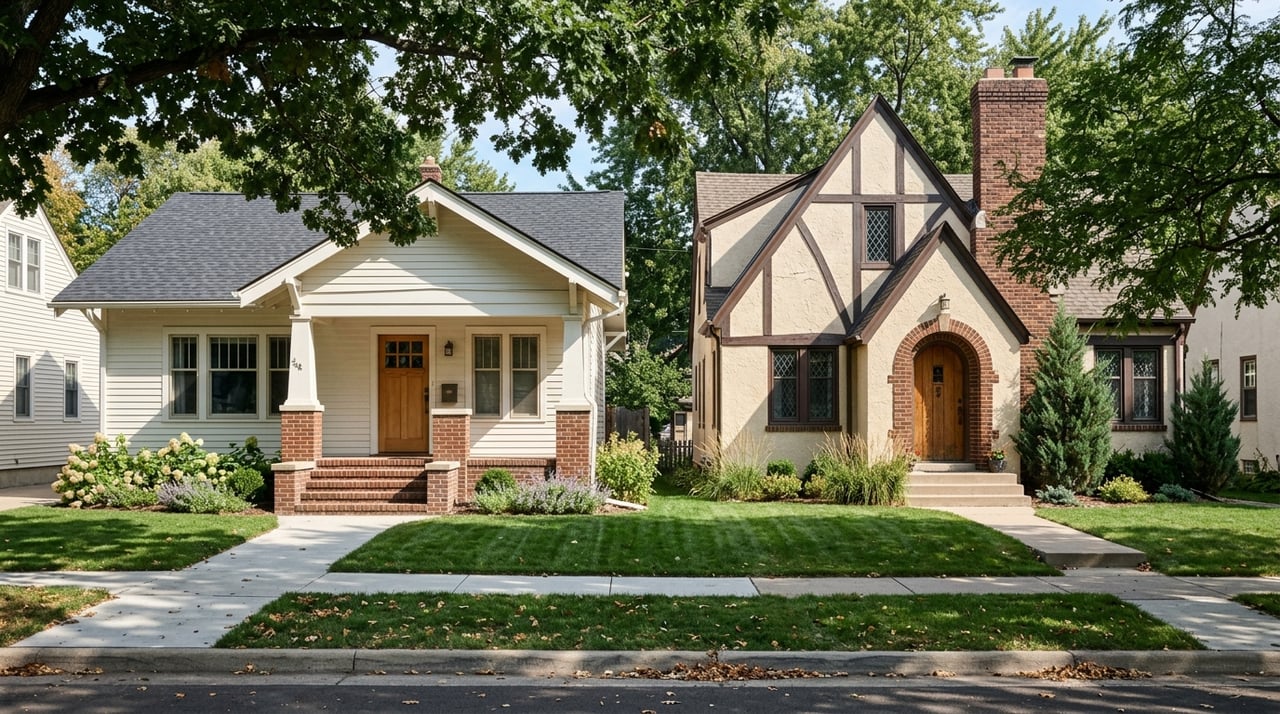
In Washington Park, bungalows usually reflect early 20th-century Craftsman influence. You will often see one to one-and-a-half stories, broad front porches, gently pitched gables, and a simpler, more grounded look from the street.
Inside, bungalows typically feel more casual and compact. Many have a main-floor living and dining core, with extra function added later through basements, sunrooms, or rear additions. That evolution is common in Wash Park, where buyers often want historic charm with more usable space.
Common bungalow strengths
Bungalows often work well for buyers who want a home that feels approachable and easy to live in day to day. Their layouts can be straightforward, and the original size may come with a lower entry point than larger homes nearby.
In the examples reviewed for Washington Park, bungalow prices roughly clustered from the low $800,000s into the low $1.2 million range. Condition and square footage appeared to influence value more than the bungalow label by itself.
What to watch with bungalows
The tradeoff is that many bungalows started with a smaller footprint. If you need more bedrooms, larger closets, or a more open kitchen-family layout, you may depend on past updates or plan future improvements.
A Washington Park example at 1177 S Corona shows a familiar renovation path: remodeled kitchen and bath, updated electric, sewer lines, windows, a heated family-room addition, and a finished basement. That kind of step-by-step expansion is often what helps a bungalow function well for modern living.
What defines a Tudor
Tudor Revival homes bring a different presence. In Washington Park, Tudors often stand out with steeply pitched roofs, multiple gables, brick exteriors, tall narrow windows, prominent chimneys, and in some cases decorative half-timbering.
Compared with bungalows, Tudors usually feel more vertical and formal. That character often carries inside through features like formal dining rooms, fireplaces, built-ins, and a more separated room structure.
Common Tudor strengths
If you care about curb appeal and architectural drama, a Tudor may pull you in right away. Many buyers also like the stronger sense of definition between rooms, especially if you want spaces that feel distinct rather than fully blended together.
The Washington Park Tudor examples reviewed ranged from roughly the high $800,000s to around $1.9 million. Pricing appears to rise quickly with added size, newer construction, and higher-end finishes.
What to watch with Tudors
Tudors can come with more detailed exterior features and a more formal interior arrangement. For some buyers, that is exactly the appeal. For others, it can mean more maintenance focus and a layout that may feel less flexible if you prefer a highly open plan.
The sample homes also show a wide spread. A smaller Tudor can overlap in price with a renovated bungalow, which is why it helps to look past the style name and focus on condition, floor plan, and the level of updating already completed.
Bungalow vs. Tudor in daily life
The easiest way to choose between these styles is to picture your normal week. In a neighborhood like Washington Park, where the park itself plays such a big role in daily life, your home should support the routine you actually want.
Choose a bungalow if you want
- A simpler, more casual layout
- A broad front porch and classic early Denver feel
- A smaller original footprint with room to expand over time
- A price point that may be more approachable, depending on condition and size
- Flexibility through basement finish or rear additions
Choose a Tudor if you want
- Stronger curb presence and a more formal architectural style
- Distinct rooms instead of a more compact central core
- Features like brick exterior, steep rooflines, fireplaces, and built-ins
- A home that may already offer a more dramatic design character
- Willingness to prioritize style and structure as much as pure efficiency
How renovation affects the decision
In Washington Park, renovation is often part of the conversation no matter which style you choose. The key is understanding which features contribute most to the home’s historic character and which upgrades can improve function without taking away what makes the house special.
From a preservation perspective, character-defining features are the visual and physical elements that express a historic property’s appearance. In a bungalow, that often includes the porch, roofline, built-ins, and woodwork. In a Tudor, it often includes the roof shape, brick, chimneys, half-timbering, and arched openings.
Before planning exterior changes
Denver Landmark Preservation rules require design review for exterior alterations, additions, new construction, signs, and non-vegetative site work for designated landmarks and historic districts. That means you should confirm whether a specific parcel has landmark or historic district status before assuming a major exterior remodel will be straightforward.
This matters for both buyers and sellers. If you are buying with plans to add on or significantly change the exterior, early due diligence can save you time, money, and frustration.
Price overlap is real
It is easy to assume that bungalows are always the more affordable option and Tudors always sit higher. In practice, the Washington Park examples suggest more overlap than many buyers expect.
A smaller Tudor and an updated bungalow can land in a similar price band. Once you account for square footage, renovation quality, basement finish, and lot improvements, style alone does not tell the whole pricing story.
Questions to ask before you choose
When you tour homes in Washington Park, these questions can help you compare a bungalow and a Tudor more clearly:
- Does the current layout support how you actually live?
- Are you paying for finished space you will use often?
- How much original character do you want to preserve?
- How much updating are you comfortable taking on?
- Do you want a casual flow or more formal room separation?
- Is exterior work likely to matter to your long-term plans?
- Are you comparing homes by style alone instead of condition and function?
The best fit depends on your priorities
There is no universal winner between a bungalow and a Tudor in Washington Park. A bungalow may be the better fit if you want a comfortable scale, a classic porch-forward look, and the option to improve the home gradually. A Tudor may be the better fit if you want stronger architectural presence, more formal spaces, and richer design details from day one.
In this neighborhood, the smartest choice usually comes down to balancing three things: layout, condition, and your renovation appetite. When those line up with your budget and lifestyle, the style decision tends to make itself.
If you want help comparing Washington Park homes with a clear eye on value, livability, and long-term potential, connect with Katie Knop. You will get practical guidance, neighborhood insight, and a smart strategy tailored to how you want to live in Denver.
FAQs
What is the main difference between a bungalow and Tudor in Washington Park?
- In Washington Park, bungalows usually feel more casual and compact, while Tudors tend to feel more formal, vertical, and architecturally detailed.
Are Washington Park bungalows usually less expensive than Tudors?
- Not always. The reviewed examples show overlap, with bungalow pricing roughly in the low $800,000s to low $1.2 million range and Tudor examples from the high $800,000s to around $1.9 million, depending on size and condition.
What should buyers know about renovating a Washington Park historic home?
- Buyers should identify the home’s character-defining features and confirm whether the property falls under Denver Landmark Preservation review before planning exterior changes or additions.
Which home style fits a more modern lifestyle in Washington Park?
- Either can work well. Bungalows often gain modern function through basement finishes and additions, while Tudors may offer stronger room definition and design character if that matches how you like to live.
Why does style matter so much in Washington Park real estate?
- In a neighborhood where buyers value both location and lifestyle, style often affects floor plan, renovation needs, maintenance priorities, and how the home feels day to day near the park and nearby retail corridors.