Wondering how to get more out of your outdoor space without fighting your lot size, Denver’s dry climate, or the historic feel of Congress Park? You are not alone. In Congress Park and the 7th Ave Historic District, the best outdoor living areas are not always the biggest, they are the most thoughtful. This guide will help you plan outdoor spaces that feel comfortable, useful, and well-matched to the neighborhood’s character. Let’s dive in.
Why outdoor living looks different here
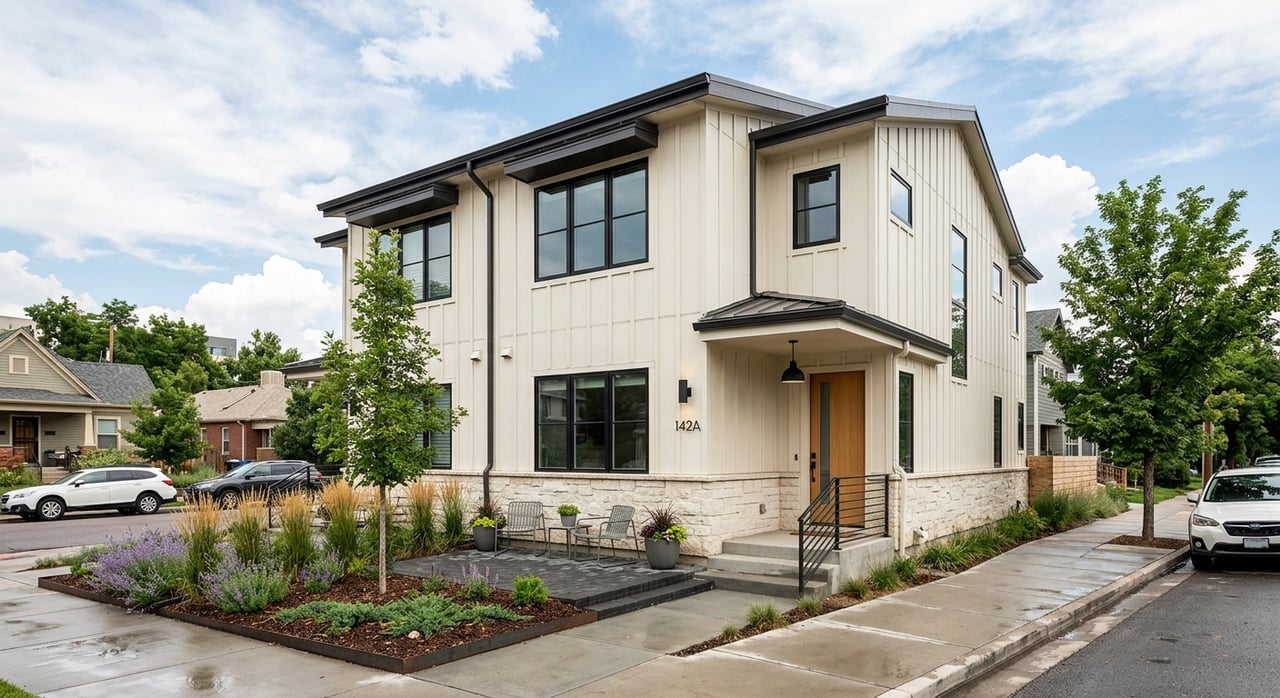
Congress Park developed with a mix of single-family homes, duplexes, apartments, and architectural styles that date back to the late 1800s and early 1900s. That older, denser housing pattern helps explain why front porches, compact yards, and smaller patio areas feel so natural here.
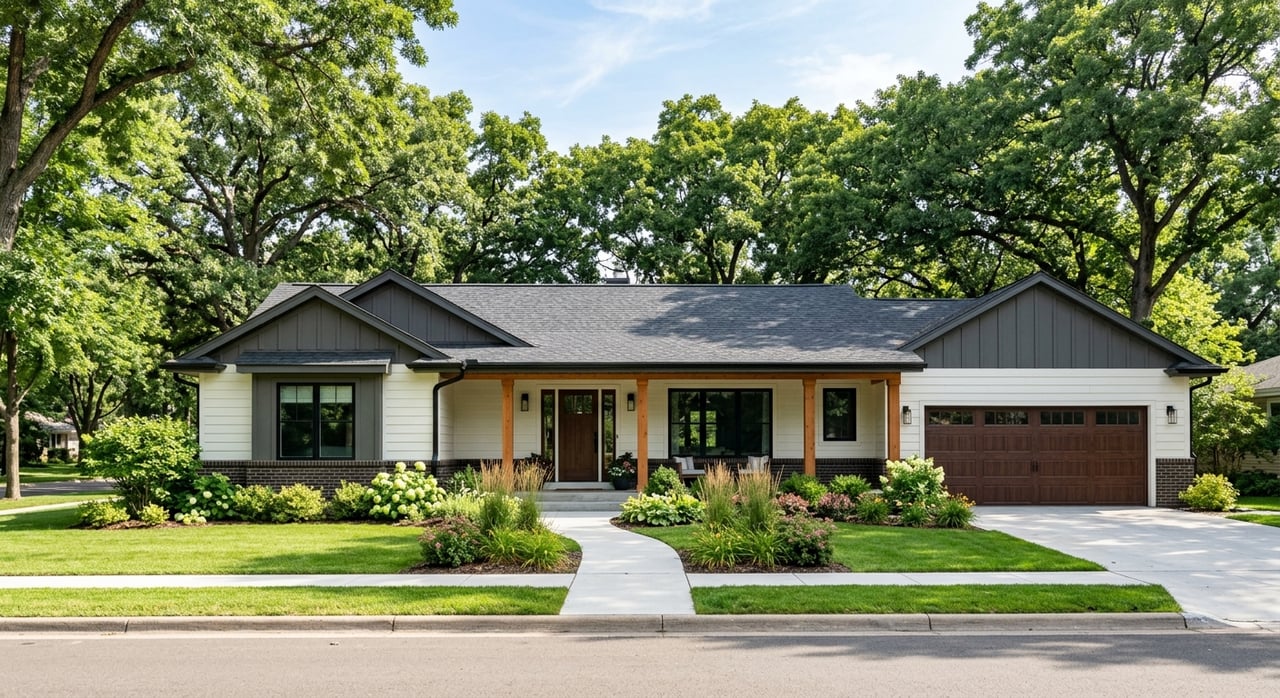
In the 7th Ave Historic District, front-yard openness is part of the visual identity. Denver’s parkway guidance is designed to preserve a green, park-like character along the street, so the goal is usually not to fill every visible inch of yard. Instead, the most successful outdoor spaces work with that openness and create comfort in a lighter, more scaled-down way.
Start with the lot you have
Before you think about furniture, plantings, or lighting, look at how your outdoor space actually functions. In these neighborhoods, many homes have narrow side yards, modest backyards, sunny exposures, and porches that already do a lot of the heavy lifting.
A practical plan often means breaking the yard into zones instead of treating it like one large project. Denver Water’s xeriscape planning guidance specifically considers elements like the house, sidewalk, driveway, deck or patio, trees, fences, walls, and slopes as part of one coordinated design. That approach fits city lots especially well.
Think in small outdoor zones
You may get more daily use from two or three compact spaces than from one oversized installation. A front porch sitting area, a shaded side-yard path, and a small rear dining patio can each serve a clear purpose.
This also helps outdoor upgrades feel more in scale with the house. In older neighborhoods, that sense of proportion often matters as much as the materials themselves.
Prioritize shade for comfort
Denver’s climate puts shade at the center of outdoor living. NOAA climate normals show Denver gets just 14.48 inches of precipitation annually, and CSU Extension notes that Colorado landscapes deal with intense sun, low humidity, wind, temperature swings, and difficult soils.
That means a patio that looks great in photos may still feel too hot to use if it lacks shade. In Congress Park, comfort usually comes from layering shade carefully rather than relying on one big solution.
Add shade without overpowering the home
If you want more protection from afternoon sun, think about options that stay visually light and fit the house. For many properties, this can mean:
- Using existing porches as primary seating space
- Adding shade through well-placed trees over time
- Creating smaller patio zones that benefit from morning shade
- Using mulch and planting beds to reduce reflected heat around seating areas
CSU Extension notes that east- and north-facing exposures are often easier on plants, while hot south-facing and windy west-facing areas can be tougher. That is useful when deciding where to place seating, dining, or new landscape beds.
Treat shade trees as a long-term upgrade
If your yard needs real cooling, climate-adapted trees can help. CSU Extension includes reduced-water shade tree options such as thornless honeylocust, common hackberry, and bigtooth maple.
The bigger point is timing. New woody plants often need at least two growing seasons to establish before irrigation can be reduced, so trees are a smart long-term investment, not an instant fix for this summer.
Use low-water landscaping wisely
In these neighborhoods, outdoor living and water-wise landscaping should work together. A well-designed xeriscape can still feel lush, attractive, and inviting while using water more efficiently.
Denver Water recommends planning the whole yard as a system and matching plantings to how each area actually performs. That is especially helpful for smaller lots where one narrow strip may be dry and sunny while a foundation bed stays shaded longer.
Match plants to the conditions
CSU Extension recommends placing low-water plants in dry, sunny areas and using higher-water plants in lower or shadier spots. That kind of zoning can make a compact yard look intentional while reducing maintenance.
Mulch also matters more than many homeowners expect. It helps cool roots and reduce evaporation, which supports both plant health and outdoor comfort.
Rethink lawn-heavy layouts
In a neighborhood with smaller yards and historic homes, a big bluegrass lawn is not always the best use of space. Denver Water and CSU Extension both support reducing traditional turf in favor of low-water plantings, patios, decks, or mulch where it makes sense.
That can be especially useful in narrow side yards, small front edges, and awkward sunny corners that are hard to keep green. Denver Water’s xeriscape plan library even includes ideas for narrow strips, dry shade, slopes, and low-maintenance layouts.
Keep front yards open and inviting
One of the easiest mistakes in a historic area is treating the front yard like a private backyard. In the 7th Ave Historic District and along parkway-influenced streets, openness is part of the character.
Denver’s landmark landscape guidance supports preserving views of historic buildings from the street and sidewalk. Even if your project is simple, the design language that fits best is usually open, low, and pedestrian-scaled.
What works well in front
Front-yard outdoor living tends to feel most appropriate when it includes:
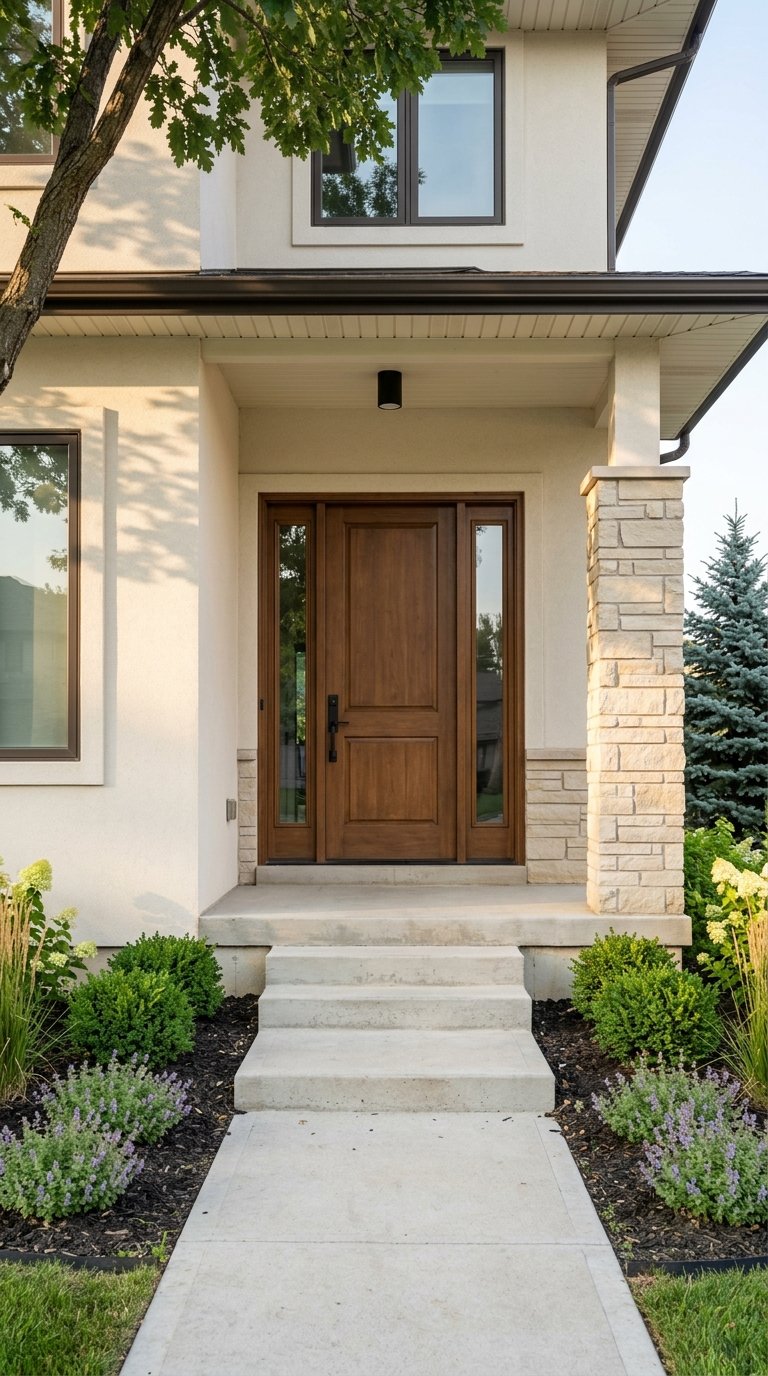
- Porch seating instead of large built-out platforms
- Low, simple planting beds
- Street trees where appropriate
- Light, durable railing details
- Clear views to the home from the sidewalk
Denver also notes that street trees can help offset heat-island effects. In practice, that means shade and streetscape character can go hand in hand when they are planned carefully.
Be careful with fences and enclosures
Historic-district guidance in Denver says front-yard fences should generally be simple, open, and low, with a typical height of 48 inches or less. Opaque fencing, vinyl, and new chain-link fencing are discouraged in front yards.
Rear-yard fencing should also follow historic lot patterns and usually returns behind the front corner of the primary structure. If your goal is privacy, it is worth thinking beyond fencing alone and using planting, porch design, and space planning to create comfort.
Design patios that fit the neighborhood
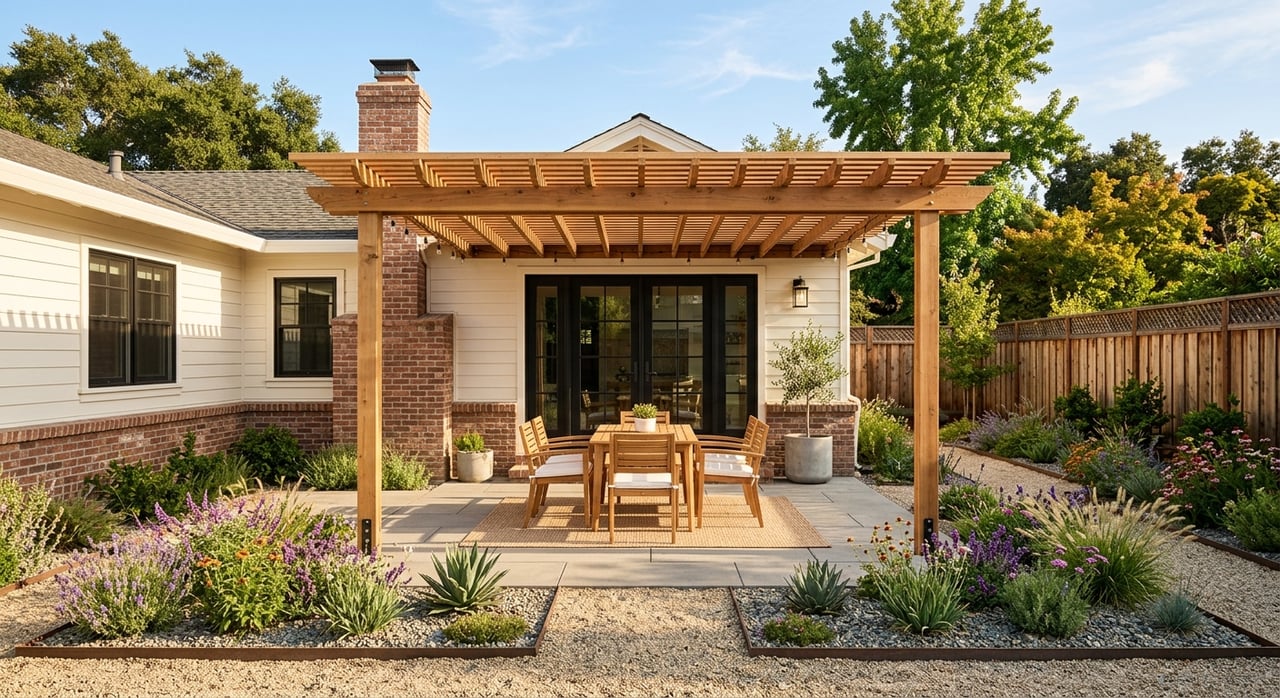
Outdoor dining is still very achievable here, but scale matters. A compact patio or dining area often feels better than a large hardscaped surface that dominates the lot.
Denver’s historic landscape guidance says patios or dining areas in or near the public right-of-way should preserve views of historic buildings. While that rule applies to review context, the broader takeaway is useful for any homeowner in the area: keep outdoor living spaces light, simple, and well integrated with the home.
Best patio strategies for smaller lots
If you are planning a new patio or refreshing an old one, focus on function first:
- Keep circulation paths clear
- Size the patio for how you actually live
- Use adjacent planting beds to soften hard edges
- Place dining where sun and wind are manageable
- Avoid creating a fully enclosed look in visible front areas
For many homes in Congress Park, the sweet spot is not a full backyard overhaul. It is a series of smaller improvements that make the space more usable day to day.
Use lighting with restraint
Outdoor lighting should support comfort and evening use without pulling the home away from its historic character. Denver’s guidance notes that early twentieth-century residences often used unobtrusive porch ceiling lights or pendant fixtures.
Warm light is generally the better fit, especially because it avoids distorting the color of historic building materials. If you are upgrading lighting, subtlety usually works better than brightness.
Plan irrigation around the landscape
A good outdoor space is easier to maintain when irrigation matches the design. Denver Water recommends separate irrigation for turf and planting beds, along with drip or other low-volume irrigation for trees and shrubs.
It also recommends watering deeply and infrequently. That approach can support healthier roots while helping you avoid wasting water on areas that do not need the same schedule.
Know the establishment rule for new planting
If you are adding new seed, sod, trees, shrubs, plants, or water-wise grass seed, Denver Water says you may qualify for a temporary watering establishment permit. That can allow more frequent watering for a short period, but only for the newly planted area and only after approval.
This is a helpful detail if you are converting lawn edges, refreshing foundation beds, or planting a new tree to improve future shade.
Know when historic review may apply
In the 7th Ave Historic District, outdoor upgrades are not just design decisions. They may also be subject to review.
Denver states that the Landmark Preservation Commission reviews proposed exterior alterations, additions, new construction, signs, and non-vegetative site work for properties in a historic district or on a designated landmark. Denver also notes that even quick permits involving exterior work in a historic district cannot be issued online until Landmark approval is in place.
Projects worth checking before you build
If your property is in a historic district, it is smart to check review requirements before starting projects such as:
- New patios or expanded hardscape
- Exterior railings or stair changes
- Front-yard fence installation or replacement
- Significant site work
- Exterior lighting changes tied to visible alterations
A little planning up front can save time, protect the home’s character, and help you avoid redoing work later.
Why this matters for homeowners
Outdoor living improvements can make a Congress Park home more enjoyable now while also supporting the qualities buyers already value here. In these neighborhoods, that usually means preserving architectural character, respecting the open streetscape, and making smart climate-aware choices.
If you are thinking about future resale, those choices matter. Buyers in central Denver often notice how well a home’s outdoor spaces fit the architecture and lot, not just how much hardscape or square footage was added.
A thoughtful porch, a comfortable dining area, climate-appropriate shade, and a low-water landscape plan can make a home feel more finished and easier to live in. That is often the right goal in Congress Park and the 7th Ave Historic District.
If you are weighing which outdoor updates make the most sense for your home and long-term value, Katie Knop can help you think through the neighborhood fit, buyer appeal, and next steps.
FAQs
What outdoor living upgrades fit Congress Park homes best?
- Compact, well-scaled upgrades usually fit best, including porch seating, small patios, climate-adapted shade trees, and low-water planting zones.
What front-yard changes work in the 7th Ave Historic District?
- Front-yard changes in the 7th Ave Historic District generally work best when they preserve openness, maintain clear views of the home, and use simple, low, open design elements.
What landscaping works well in Congress Park’s dry climate?
- Low-water plantings, mulch, drip irrigation for trees and shrubs, and layouts that match plants to sun, shade, wind, and moisture conditions tend to work well.
Do outdoor projects in the 7th Ave Historic District need review?
- Denver says exterior alterations, additions, new construction, signs, and non-vegetative site work in a historic district may require Landmark Preservation review.
Can you water new landscaping more often in Denver?
- Denver Water says newly planted seed, sod, trees, shrubs, plants, or water-wise grass seed may qualify for a temporary establishment permit that allows more frequent watering for a limited period after approval.